Nothing disrupts your daily routine like a gas stove that suddenly quits. One minute you’re planning dinner in your Austin home, the next you’re faced with a frustrating and potentially serious problem. Whether it’s a burner that won’t light, an oven that won’t heat, or the alarming smell of gas, these issues are more than just an inconvenience—they’re a major safety concern.
Instead of guessing what’s wrong, what if you could get expert guidance right away? For just $20, HomeWise Services’ concierge service connects Austin residents with a master technician for personalized troubleshooting, part recommendations, and white-glove repair scheduling. If you’re ready to tackle the issue yourself, this guide will walk you through the most common gas stove problems and how to safely fix them.
Confronting Common Gas Stove Problems in Your Austin Home
When your trusted gas stove acts up, it can bring your kitchen to a halt. It doesn’t matter if you’re a seasoned home chef or simply boiling water; a broken stove disrupts your entire day. The good news? Many common gas stove problems have surprisingly simple fixes that a handy Austin homeowner can manage.
Gas stoves are a cornerstone of modern kitchens, which is why gas stove repairing is such a frequent need. The global market for these appliances is enormous, projected to grow from USD 100 billion in 2023 to over USD 215 billion by 2032, according to Cognitive Market Research. That’s a lot of kitchens depending on gas cooking.
Common Malfunctions You Might Encounter
Here in Austin, I tend to see the same few issues pop up time and again. Learning to identify the symptoms is the first step toward getting your stove back in top condition.
- The Igniter Clicks Endlessly: You hear that familiar click-click-click, but the flame never ignites. This is a classic sign of a dirty or damp igniter, or the burner cap may have been knocked out of place.
- Weak or Yellow Flames: A healthy flame should be bright blue with a small yellow tip. If your flames are mostly orange or yellow, it indicates incomplete gas combustion, often because the burner ports are clogged with food debris.
- The Oven Won’t Heat Up: You’ve set the temperature, but the oven remains stubbornly cold. This usually points to a faulty oven igniter (a different part from the cooktop igniters), a bad temperature sensor, or an issue with the gas safety valve.
- A Persistent Smell of Gas: This is the one symptom you must not ignore. If you smell gas when the stove is off, you could have a dangerous gas leak. This is not a DIY job—it’s time to call a professional immediately.
Expert Insight: Don’t dismiss a strange smell or a burner that seems “a little off.” These are often the first warnings of a larger problem. Addressing it early is the safest and most cost-effective approach.
Instead of playing a risky guessing game, Austin residents can use the HomeWise Services’ $20 concierge service. For a flat fee, you’ll connect directly with a master technician who can help you troubleshoot the issue, recommend the right parts, and even schedule a white-glove repair, saving you from a potentially dangerous DIY attempt or an unnecessary service call.
Essential Safety Protocols Before You Begin Any Repair
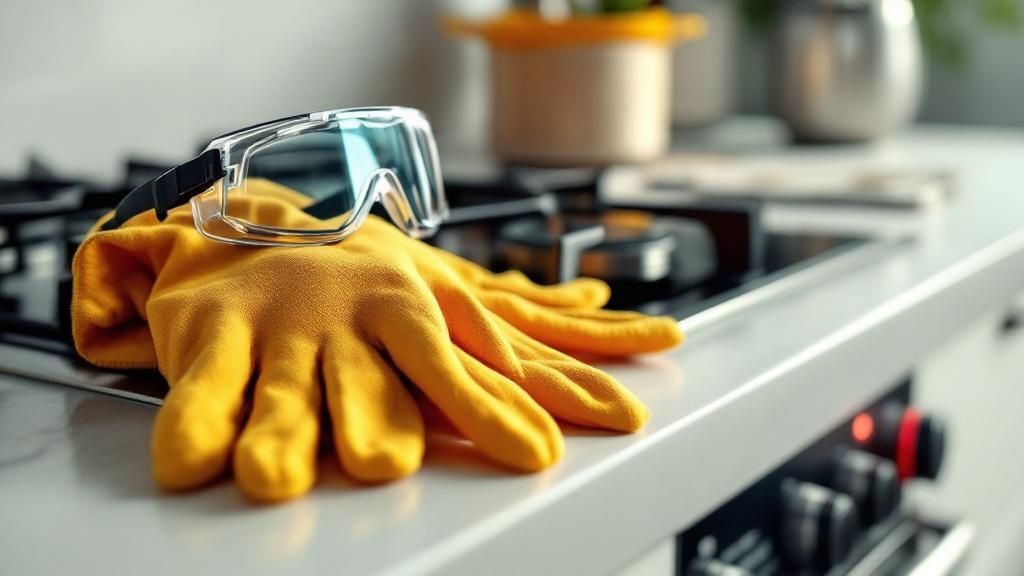
Before you pick up a single tool, we must prioritize safety. This isn’t just a friendly tip; when you’re performing gas stove repairing, it’s an absolute requirement. Gas appliances demand respect, and following a strict safety protocol is the only way to approach the work. We’re not just trying to avoid a simple mistake—we’re protecting your home and everyone in it.
Think of these steps as your non-negotiable safety checklist. Each one is designed to neutralize a specific and serious risk.
Shut Off the Gas Supply
First and foremost, cut off the gas flow to the stove. Turning the burner knobs to “Off” is not enough. You need to locate and turn off the main gas shutoff valve for the appliance.
This valve is typically located on the gas pipe directly behind your stove and often has a yellow or red handle. To shut it off, turn the handle so it is perpendicular to the pipe (forming a “T” shape). This simple action prevents gas from leaking while you work.
Why This Matters: It only takes a small, unnoticed gas leak and a single spark to cause a catastrophic fire or explosion. Cutting the gas supply at the source eliminates this risk entirely.
Unplug the Appliance from the Wall
With the gas secured, disconnect the power. Your stove’s igniters, oven light, and digital display are all electric. The only foolproof way to cut the power is to physically unplug the stove’s cord from the wall outlet.
Don’t just rely on flipping a breaker; it’s too easy to hit the wrong one. Pulling the plug is the only way to be 100% certain there is no electrical current that could cause a shock or a spark.
Ensure Proper Ventilation
Finally, get some fresh air moving through your kitchen. Open a few windows and turn on your range hood fan if it vents outside. This helps clear any residual gas fumes and keeps fresh air circulating, dramatically improving the safety of your workspace.
These precautions create a secure foundation for any gas stove repairing you plan to do. It’s also wise to understand how various systems in your home are connected. For instance, the gas lines to your stove are part of a larger system. For more on how we handle these systems safely, see our guide on professional plumbing repair in Austin, TX.
How to Diagnose Your Gas Stove Like a Pro
With safety checks complete, it’s time to play detective. Diagnosing a gas stove problem is about knowing what to look for. An accurate diagnosis is the most critical step in any gas stove repairing project, saving you time, money, and frustration from buying the wrong parts.
Your stove is communicating what’s wrong through its symptoms; you just need to learn its language. This guide will help you translate those signals.
Reading the Signs Your Stove Is Giving You
Most gas stove issues trace back to a few common culprits. Let’s review the usual suspects.
- The Endless Click: This is the #1 complaint. You turn the knob and hear the constant click-click-click of the igniter, but the burner won’t light. Nine times out of ten, the problem is a dirty, wet, or misaligned burner. Spills can clog the gas ports, and even a bit of water can prevent a proper spark.
- A Weak and Yellow Flame: A healthy flame should be a steady, vibrant blue. If you see a flickering, weak, or mostly yellow-orange flame, it’s a red flag. The gas-to-air mixture is off, usually because clogged burner ports are restricting gas flow.
- The Oven Fails to Heat: You set the oven to 400°F, but an hour later, it’s still cold. This classic Austin appliance issue almost always points to a bad oven igniter. Less frequently, it could be a faulty temperature sensor or the gas safety valve.
For many of these problems, a thorough cleaning is the first and often most effective fix.
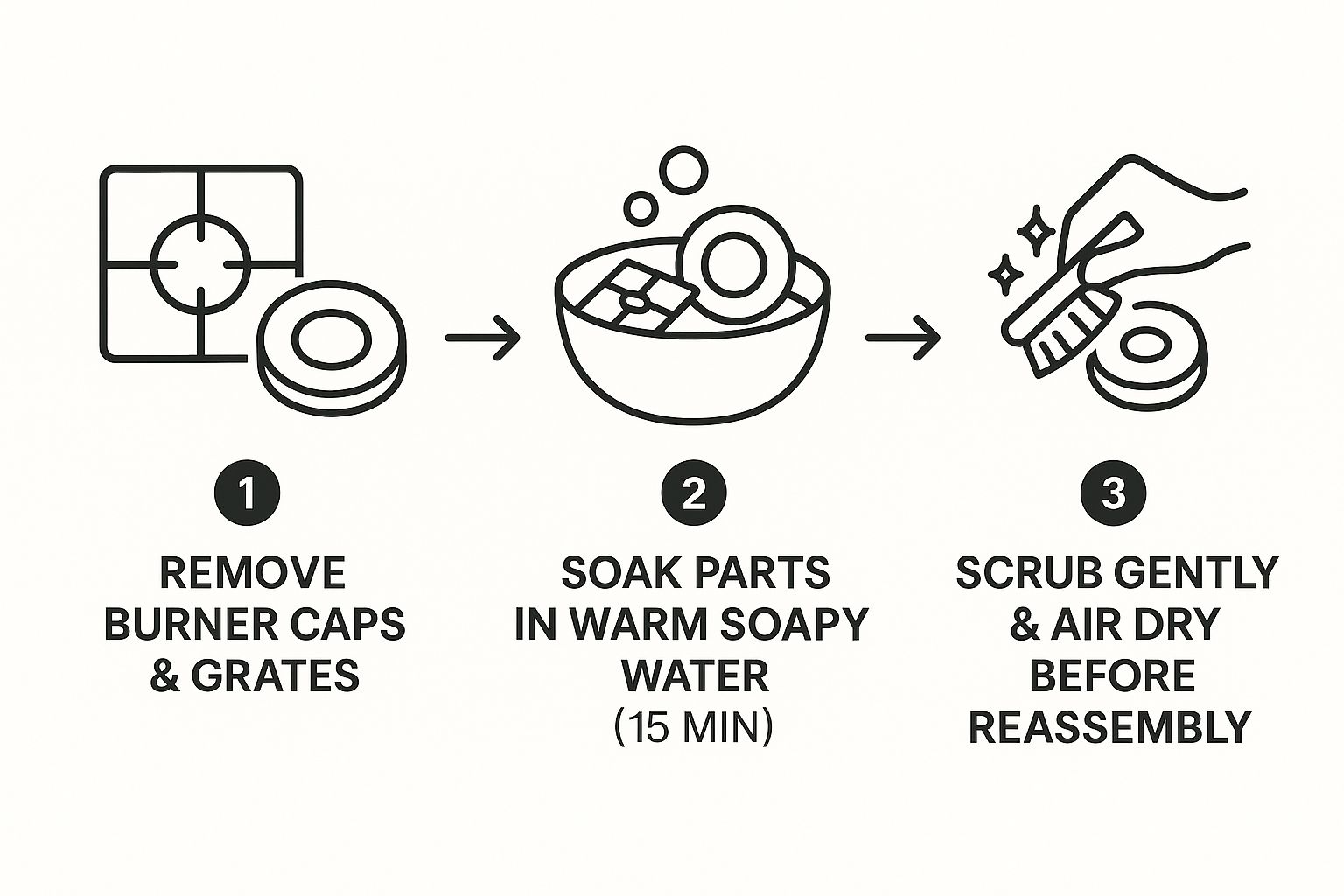
As you can see, a simple soak and a gentle scrub are often all it takes to get your burners firing correctly again. No special tools are needed.
Pinpointing the Root Cause
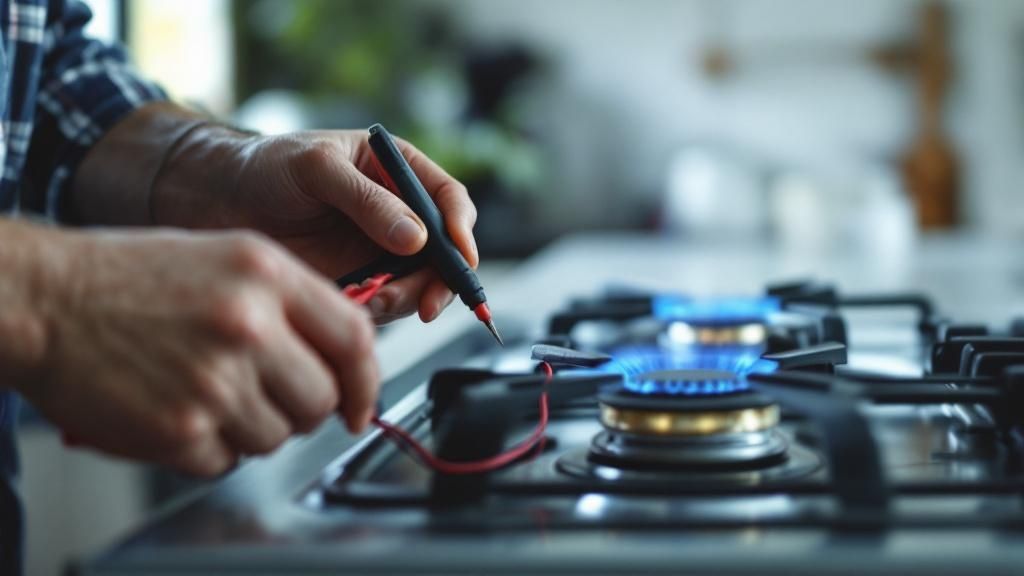
If cleaning didn’t stop the endless clicking, the igniter itself might be faulty. Closely inspect the white ceramic part of the igniter; a hairline crack is a tell-tale sign of failure.
If the oven is the problem, listen carefully. When you turn it on, you should hear a click followed by a soft “whoosh” as the gas ignites. If you hear the click but no whoosh within 30-60 seconds, the igniter is almost certainly the part to replace. If you hear no sound at all, the issue may be deeper, possibly with the control board.
Expert Tip: Before ordering parts, check the simple things. I’ve been on countless service calls where the only problem was a burner cap not sitting perfectly flat. If it’s even slightly crooked, the burner won’t light.
If you’re still stuck, it might be time for expert advice. Want instant answers? Connect with experts on JustAnswer for fast, reliable help. For more complex issues, our professional appliance repair in Austin, TX team is ready to assist.
Common Gas Stove Issues and Potential Causes
Use this quick reference table to match your stove’s symptoms with likely causes and determine your next steps.
| Symptom | Possible DIY Check | Potential Faulty Part | When to Call a Pro |
|---|---|---|---|
| Endless clicking, no flame | Clean burner head and ports; ensure burner cap is seated correctly. | Igniter or Spark Module | If cleaning doesn’t work and you’re not comfortable with electrical parts. |
| Weak or yellow flame | Clean burner ports with a pin or stiff brush. | Gas Pressure Regulator | If cleaning doesn’t improve the flame color or strength. |
| Oven won’t heat | Listen for the igniter click and gas “whoosh.” | Oven Igniter or Temperature Sensor | If you hear no click, or if you replace the igniter and it still doesn’t work. |
| Smell of gas (when OFF) | Turn off gas immediately. | Gas Valve or Supply Line | Immediately. Do not attempt a DIY fix. This is a serious safety hazard. |
| Burner flame is too high | Check if the correct burner cap is on the correct burner base. | Gas Pressure Regulator or Control Valve | If flames are dangerously large and cannot be adjusted. |
This table should give you a solid starting point for figuring out what’s going on with your stove and whether it’s a job you can handle or one that’s best left to an expert.
Practical DIY Fixes for Minor Gas Stove Issues
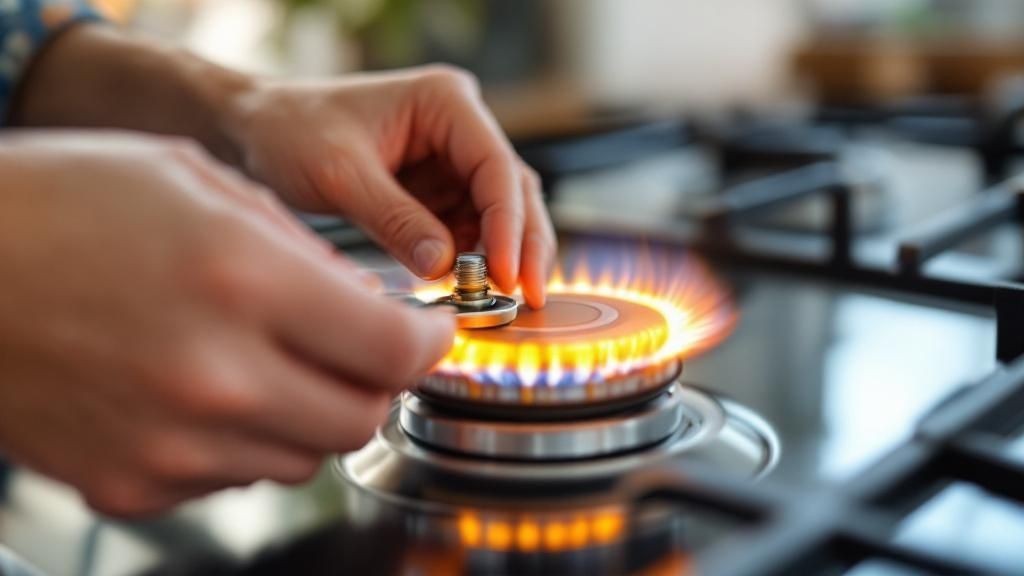
Now that you have a good idea of what’s wrong, you might feel confident enough to handle the repair yourself. The truth is, many common gas stove problems are perfect for a hands-on Austin homeowner.
Tackling these smaller jobs not only saves you money but also helps you understand how your appliance works. The key is using the right techniques and, crucially, the right parts for your specific model to ensure your gas stove repairing is both safe and effective.
How to Properly Clean Clogged Burner Heads
This is the most common fix and often the only one needed. Food spills and grease are the top enemies of a healthy burner flame.
Here’s how to do it:
- Lift off the cast-iron grate and the circular burner cap.
- Use a stiff, non-metallic brush (an old toothbrush is perfect) to scrub the burner head.
- Gently poke a straightened paperclip or a sewing pin into each port around the edge of the burner to clear blockages.
- A word of caution: never use a toothpick. It can easily snap off, creating a bigger problem.
- Wipe everything with a damp cloth and ensure all parts are completely dry before reassembling. A wet burner will not light.
Expert Takeaway: A weak or yellow flame means your burner is starved for air. Cleaning the ports to restore proper airflow will usually bring back that strong, efficient blue flame.
Testing and Replacing a Faulty Igniter
If cleaning didn’t work and the burner is still clicking, the igniter is the next likely culprit. Visually inspect the white ceramic part for cracks or burn marks—if you see any, it needs replacing.
Finding the correct OEM part is non-negotiable. For a popular Frigidaire model, you’ll need a specific igniter. You can find manufacturer-approved parts at trusted suppliers like RepairClinic or Parts Select. Using a “close enough” part is a major safety risk.
Checking for Loose Wiring
While the stove is unplugged, gently wiggle the wires connected to the igniter and spark module. Daily vibrations can loosen these connections. If a wire feels loose, carefully push it back onto its terminal until it feels secure.
The need for these repairs is reflected in a massive industry. The global market for appliance repair services, including specialized gas stove repairing, was valued at USD 14.9 billion in 2024. The Americas account for about USD 5.6 billion of that market. You can explore these insights on the appliance repair market to see just how essential these skills are.
Knowing When to Call for Professional Repair in Austin
The mark of a smart Austin homeowner isn’t just knowing how to fix things—it’s knowing when not to. While tackling a minor issue feels great, with gas stove repairing, there’s a clear line you should never cross. Your safety is the only thing that matters.
Some situations are non-negotiable and demand a licensed professional.
The Non-Negotiable Red Flags
If you encounter any of these issues, stop immediately and call a certified gas appliance technician.
- You Smell Gas When the Stove Is Off: This is a serious emergency indicating a gas leak.
- Any Repair Involving the Gas Line: Do not touch the gas valve, supply line, or internal regulators. Incorrectly handling these can create a dangerous leak.
- Issues with Internal Controls: Problems with the main safety valve, thermostat, or electronic control board are complex and best left to a pro.
- Visible Damage to Gas Components: If you see a crack, rust, or corrosion on any gas part, do not use the stove.
A Critical Safety Reminder: If you smell gas, open windows, do NOT use any electronics or flip light switches, get outside, and then call for professional help.
When You Need an Expert’s Opinion
For just $20, the HomeWise Services concierge service offers Austin homeowners a crucial safety net. Instead of second-guessing yourself, connect directly with a master technician. We’ll help you determine if the problem is a safe DIY fix or a situation requiring a professional. It’s a small price for total peace of mind, the same white-glove guidance we provide for complex jobs like AC repair in Austin, TX.
Common Questions About Gas Stove Repairs
When your gas stove acts up in Austin, you’re not alone. Here are answers to the most common questions we hear.
Why Is My Gas Stove Clicking But Not Lighting?
The endless click-click-click is the most common stove issue. It’s almost always due to:
- A Dirty Burner: Grease and food spills clog the burner ports.
- A Wet Igniter: Moisture prevents the igniter from sparking.
- A Misaligned Burner Cap: If not seated perfectly, it disrupts gas flow.
First, clean the burner and ensure everything is dry. If that fails, the igniter may be faulty. For a quick second opinion, you can always chat with an expert on JustAnswer to help pinpoint the problem.
Can I Really Fix My Gas Stove Myself?
Absolutely, for minor issues. Cleaning burner heads, checking for a loose wire, or replacing a stovetop igniter are great DIY jobs because they don’t involve touching the gas line. However, if you smell gas, suspect a leak, or the fix involves internal gas components, it’s professional territory. Your safety is paramount.
For just $20, our HomeWise Services concierge service is the perfect solution. A master technician can help you diagnose the issue, recommend the correct parts from suppliers like RepairClinic, and confirm if it’s a safe DIY job or if you need a pro in Austin.
What Should I Do If I Smell Gas?
Smelling gas when the stove is off is an emergency.
- Open windows immediately.
- If you can safely reach it, turn off the gas shutoff valve behind the stove.
- Evacuate everyone from the house.
- Once outside, call your gas utility company or 911.
Never try to find or fix a gas leak yourself. Let the utility company secure the situation, then call a licensed professional for the gas stove repairing.
For any gas stove issue you’re facing in Austin, HomeWise Services is here with honest advice and professional, white-glove repairs. If you’re unsure what to do, our $20 concierge service is the perfect, risk-free first step. Book your consultation today and get your kitchen back in working order the right way.
 HomeWise Services by Master Tech Scott
Leave a comment