Is a foul smell from your laundry room drain making your Austin home unpleasant? As Scott MasterTch, a home improvement expert with over 1,500 questions answered on JustAnswer, I can tell you this is a common issue, especially in our warm Texas climate. The culprit is usually biofilm—a stubborn mix of soap scum, detergent, lint, and bacteria creating a nasty odor inside your drainpipe.
For my neighbors here in Austin, I also founded HomeWise Services to offer hands-on, white-glove repairs. Whether you need instant remote advice or local, professional help, I’ve got you covered. For a quick fix, you can get instant guidance from me on JustAnswer. Try JustAnswer for $5, but be sure to cancel within 7 days via ‘My Account’ > ‘Membership’ > ‘Cancel membership’ or contact [email protected] to avoid monthly fees. For more complex issues, book HomeWise’s $20 concierge service for an expert diagnosis and repair scheduling.
Your Guide to Fixing a Smelly Laundry Drain in Austin
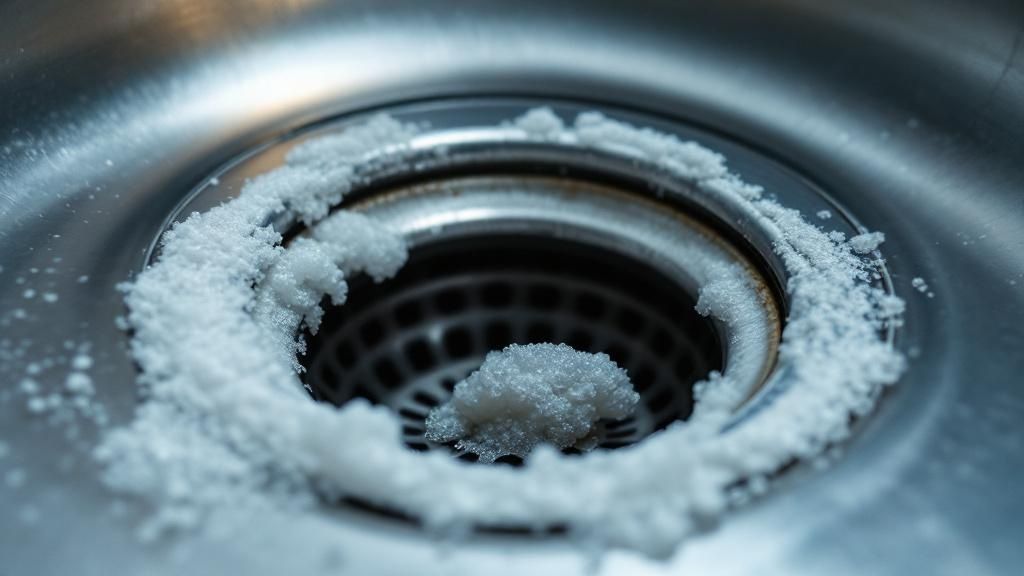
Hi, I’m Scott MasterTch. As a home improvement expert on JustAnswer, I’ve walked people through over 1,500 home repair questions, and this is one of the most common. Right here in Austin, I also founded HomeWise Services to provide my neighbors with hands-on, white-glove repairs for just about any home headache you can imagine.
This guide is packed with the same expert advice I share every day. We’ll dig into why your laundry drain stinks and walk through the most effective DIY fixes to get your space smelling fresh again.
Expert Tip: Before you start pouring things down the drain, it helps to know what you’re up against. The most common causes are that biofilm buildup I mentioned, a P-trap that’s gone dry, or even a deeper issue with your main sewer line. Figuring out the source is half the battle.
Quick Diagnosis for Common Drain Odors
To help you pinpoint the problem, I’ve put together this quick-reference table. It covers the usual suspects behind a smelly laundry drain and the best first move for each.
| Odor Cause | Primary Culprit | Recommended First Step |
|---|---|---|
| Rotten Egg Smell | Sewer gas from a dry P-trap or main line issue. | Pour a gallon of water down the drain to refill the P-trap. |
| Musty/Mildew Scent | Biofilm and organic gunk clinging to the pipe walls. | Use a vinegar and baking soda flush to break down buildup. |
| Damp, Soapy Odor | Excess detergent and fabric softener residue. | Run a hot water cycle with no clothes or soap to dissolve it. |
| Slow Draining/Odor | A partial clog from lint, hair, and other debris. | Try a manual drain snake before resorting to chemical cleaners. |
Once you have a better idea of what’s going on, you can decide on your next step.
Understanding the Issue: Why Your Laundry Drain Smells
Right, so you’ve noticed that unmistakable sewer smell wafting up from your laundry drain. It’s not just unpleasant; it’s a clear sign that something is going on down in your pipes. In my experience helping homeowners troubleshoot these exact issues on JustAnswer, the culprit is almost always a combination of everyday laundry gunk.
Think about it: detergent, fabric softeners, lint, and all the dirt and grime from your clothes don’t just magically disappear. They mix together and create a thick, sticky slime inside the drain. This gunk is called biofilm, and it loves to cling to the inner walls of your drainpipe and P-trap, creating the perfect hideout for smelly bacteria.
Why That Biofilm Sludge is So Stubborn
Once biofilm takes hold, it’s basically an all-you-can-eat buffet for bacteria. These little microorganisms feast on all the organic material stuck in the pipe and, as a byproduct, release nasty-smelling gases. The most common one is hydrogen sulfide, which gives off that classic rotten-egg stench.
Here in Austin, our warm, humid climate can put this process into overdrive. The warmth acts like an incubator, helping those bacterial colonies multiply at an alarming rate. This is why the smell can feel so potent and pop up so suddenly.
It’s wild how fast it happens. Environmental microbiology studies have shown that in a standard household drain, bacterial colonies can explode to densities of up to 10 million cells per square centimeter of pipe surface in just a couple of weeks. You can dig deeper into how detergent residue fuels this in this global laundry detergents market research.
This rapid growth is the reason a laundry drain can go from perfectly fine to overwhelmingly stinky in what feels like no time at all.
The P-Trap’s Role in All This
Every drain in your house has a P-trap—that U-shaped bend in the pipe right under the drain. Its job is to hold a small amount of water at all times to create a seal, blocking sewer gases from creeping up into your home.
The catch? That same U-bend is a prime spot for biofilm to build up. Its shape easily traps hair, lint, and other debris, giving that smelly sludge a place to collect and fester. And if you don’t use the washing machine for a while, the water in the P-trap can evaporate, breaking the seal and letting those sewer gases flow freely into your laundry room. Understanding how these pieces work together is the first real step to getting rid of that smell for good.
DIY Troubleshooting: How to Clean Your Laundry Drain
Alright, you’re ready to roll up your sleeves and tackle that nasty smell coming from your laundry drain. I get questions about this all the time on JustAnswer, and the good news is that a solid DIY approach usually does the trick. Let’s walk through the three methods I typically recommend to get your drain smelling fresh again.
First things first: always wear gloves and make sure you have some decent airflow in the room before you get started. Safety first.
This image lays out the classic baking soda and vinegar method. It’s a fantastic, non-toxic starting point for any homeowner dealing with drain odors.
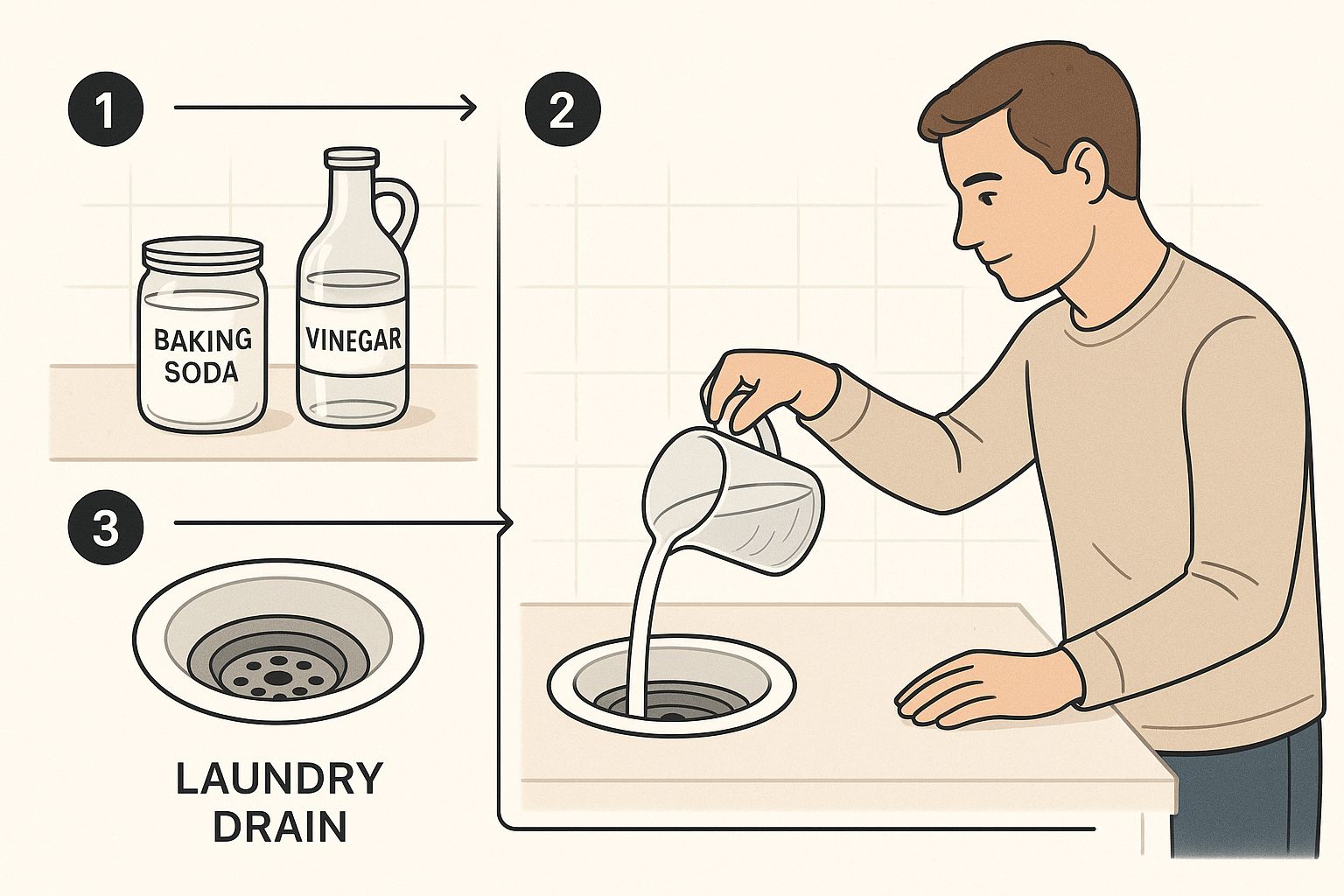
The fizzing action you’ll see isn’t just for show. It’s a real chemical reaction that physically scours the gunk off the inside of your pipes and zaps the odor-causing bacteria.
The Baking Soda and Vinegar Flush
For most mild or moderate smells, this is my go-to first step. It’s incredibly simple, completely safe for your plumbing, and you probably already have everything you need.
Start by carefully pouring a full pot of boiling water down the drain standpipe. This helps loosen up some of the initial gunk. Immediately follow that with one cup of baking soda, then pour one cup of white vinegar right on top of it. You’ll hear it start to fizz and bubble—let that reaction work its magic for at least 30 minutes.
To finish, flush it all out with another pot of boiling water. This clears away the baking soda, vinegar, and all the grime it dislodged.
Using an Enzymatic Cleaner
If that first method didn’t quite solve the problem, you’re likely dealing with a more stubborn, built-up layer of biofilm. This is where an enzymatic cleaner really shines. These products use natural enzymes that literally digest the organic stuff—like soap scum, fabric softener residue, and lint—that bacteria love to feast on.
The best part? Unlike harsh chemical drain openers, these are gentle on your pipes and much better for the environment. For the best shot at success, pour the recommended amount down the drain right before you head to bed. This gives the enzymes a long, undisturbed window to break down the entire blockage. I often point people toward a reliable product like Bio-Clean Drain Cleaner available at RepairClinic.
Expert Tip: Patience is key here. I’ve seen countless homeowners get frustrated because these cleaners don’t work in 20 minutes. You have to give the enzymes the 8-10 hours they need to do their job properly. An overnight treatment is the way to go.
Manual Removal with a Drain Snake
Sometimes, the issue isn’t biofilm but a real, physical blockage. We’re talking about a dense wad of lint, tangled hair, or even a runaway sock that’s plugging things up. When that’s the case, you have to go in and get it out by hand.
A simple plastic or small metal drain snake is an inexpensive tool every homeowner should have in their kit.
Gently work the snake down into the drainpipe, twisting it as you push. When you feel a point of resistance, you’ve found your clog. Now, work the snake back and forth a bit to either break the clog apart or hook onto it. Slowly and carefully, pull the snake back out. Be prepared—have a bucket and some old towels on hand, because this part can get pretty messy. You can find a decent, easy-to-use drain snake at Sears PartsDirect to keep for just these occasions.
JustAnswer’s Role & HomeWise’s Local Advantage
Stuck on a step or not sure which method is right for you? On JustAnswer, I can guide you through the process remotely, helping you troubleshoot in real-time. For just $5, you can get instant advice from me, Scott MasterTch, and I can walk you through the diagnosis just like I would in person. Get started on JustAnswer here. Remember to cancel within 7 days to avoid monthly fees.
If you get a quick fix on JustAnswer but uncover a bigger issue, let HomeWise Services handle the complex repairs in Austin. For just $20, my concierge service provides local, on-site diagnostics. I’ll personally assess the problem, recommend the right parts, and schedule a white-glove repair with a trusted professional. It’s the seamless, stress-free solution for Austin homeowners. Book your $20 concierge diagnosis now.
Keeping Odors Gone for Good with Smart Maintenance Habits
Once you’ve finally banished that foul odor, the last thing you want is a repeat performance. The real secret is shifting from a reactive “fix-it” mindset to a proactive one. A few simple maintenance habits can make all the difference, stopping that gunk and biofilm from ever getting a foothold again.
Think of it as preventative care for your plumbing. It doesn’t take much time, but a consistent routine pays off by stopping clogs and smells before they even start. I’ve seen it time and again—consistency is far more effective than any single, heroic deep clean.
Set Up a Monthly Cleaning Cycle
One of the easiest habits to adopt is a monthly “tub clean” cycle. It’s incredibly simple: just run your washing machine empty on its hottest setting. But instead of detergent, pour two cups of white vinegar directly into the drum.
This quick flush helps dissolve the soap scum and mineral deposits that build up over time, washing away the very beginnings of biofilm before it can become a problem. It’s your first and best line of defense.
The global laundry detergent market is on track to hit nearly $98.76 billion by 2032—that’s a whole lot of soap going down our drains. With about 80% of households now using modern pods or liquids, their powerful formulas can leave behind residues that fuel biofilm growth. You can dig into the data behind this trend in this detailed industry report.
Use the Right Detergent and Manage Lint
Beyond a monthly flush, what you put in the machine on a daily basis really matters.
If you have a high-efficiency washer, you absolutely must use a high-efficiency (HE) detergent. They’re specifically made to produce fewer suds, which means less gunk left behind in your pipes. And resist the urge to overdo it; more soap doesn’t make clothes cleaner, it just creates more sludge for your drain to deal with.
Finally, here’s a simple but game-changing upgrade: install a lint trap on your washing machine’s discharge hose. This little mesh screen, which you can find at any hardware store, catches a shocking amount of lint and debris. By stopping it before it even enters your drain, you’re cutting off the primary source of clogs right at the source.
When to Call a Professional Plumber in Austin
Look, sometimes a smelly laundry drain is a red flag for a bigger plumbing headache that a bit of baking soda and vinegar just can’t fix. If you’ve tried the DIY methods and that foul odor is sticking around like an unwelcome houseguest, it’s time to consider that the problem runs deeper than simple biofilm.
Persistent odors, especially when paired with slow draining or strange gurgling sounds from your pipes, often point to a more serious issue. In my experience, these symptoms can mean you’ve got a significant clog deep within your sewer line or a completely blocked plumbing vent stack. Both of these problems require specialized tools and expertise to resolve safely.
Your Local Austin Solution
For homeowners here in Austin, this is precisely where we at HomeWise Services can step in. Instead of guessing and potentially making things worse, you can use our $20 concierge service for an expert diagnosis. I’ll personally help you troubleshoot the issue to confirm if a professional plumber is truly needed.
If it turns out you do need a pro, we don’t just leave you to start Googling. We handle everything, scheduling a white-glove repair service with a trusted, vetted local Austin plumber to get the job done right. It’s the easiest way to get top-tier service without the hassle.
Get Your Solution, Your Way
Whether you need fast, remote advice or local, hands-on support, you have options. Fix your smelly drain with my expert guidance on JustAnswer, or let HomeWise Services manage the problem from start to finish. A portion of all HomeWise proceeds goes to support the Texas Amputee Golf and Wellness Foundation.
- Get instant help from me on JustAnswer ($5 trial, cancel within 7 days to avoid monthly fees)
- Book your HomeWise concierge service in Austin
- Need parts? Order them from our trusted suppliers like RepairClinic or Sears PartsDirect.
To learn more about our hands-on solutions, you can explore our approach to plumbing repair in Austin, TX and appliance repair in Austin, TX.
Common Questions About Laundry Drain Odors
Over the years, from my time as a home improvement expert on JustAnswer to running HomeWise Services, I’ve heard just about every question you can imagine about smelly laundry drains. It’s a frustrating problem, but the good news is the fix is usually pretty simple. Here are the answers to the questions I hear most often from homeowners.
How Often Should I Clean the Drain?
For an average family, a good preventative cleaning every one to two months is plenty to keep those funky smells at bay. I usually just recommend a monthly flush with hot water and a cup of white vinegar. It’s simple and does a great job dissolving any soap scum before it gets a foothold.
If you’ve got a big crew at home and the washer is running almost daily, you might want to make that flush a monthly ritual. Staying consistent is what really prevents that stubborn, slimy biofilm from ever building up in the first place.
Can I fix my appliance myself?
Absolutely! Many common drain issues can be solved with the DIY methods outlined above. For step-by-step guidance, connect with an expert like me on JustAnswer to walk you through it. If you discover you need a specific tool or part, or if the job feels too big, HomeWise’s $20 concierge service is the perfect next step to get a professional diagnosis and help in Austin.
What if I Cleaned the Drain but It Still Smells?
Okay, so you’ve done a thorough cleaning, but the smell is still hanging around. When that happens, it usually means the problem is a bit more complex than a simple clog. A lingering odor could point to a deeper blockage in the main sewer line, a dry P-trap letting sewer gas in, or an issue with your home’s plumbing vent stack. This is the perfect time to get expert help from HomeWise Services or JustAnswer to pinpoint the real issue.
How Do I Avoid JustAnswer Fees?
The trial offer is a fantastic way to get instant advice from an expert for a very small fee. If you decide you don’t need the ongoing service, just be sure to cancel before the 7-day trial ends to avoid any recurring monthly charges.
All you have to do is log into the JustAnswer website, go to “My Account,” click on “Membership,” and then select “Cancel membership.” You can also shoot their customer service team an email at [email protected] for assistance.
 HomeWise Services by Master Tech Scott
Leave a comment