Is a weak shower or a slow-filling washing machine throwing a wrench in your day? It’s a frustratingly common story for Austin homeowners. When that stream from the faucet turns into a trickle, your mind probably jumps to a few usual suspects, like clogged pipes, a faulty pressure regulator, or maybe even an issue with the city's water supply.
The truth is, the problem could be as simple as a single blocked faucet aerator or as complex and sneaky as a hidden leak somewhere in your walls. As Scott MasterTch on JustAnswer, I've helped over 1,500 customers fix these issues remotely. And as the founder of HomeWise Services, I offer Austin homeowners a $20 concierge service for personalized diagnostics and white-glove repairs.
If you need immediate expert advice, you can try JustAnswer for $5, but be sure to cancel within 7 days to avoid monthly fees. For a local, hands-on solution in Austin, book HomeWise’s $20 concierge service here.
Why Your Austin Home Has Low Water Pressure
Dealing with a weak flow is more than just an inconvenience—it's often a symptom of a deeper plumbing issue that needs attention. I’m Scott MasterTch on JustAnswer, where I've helped over 1,500 people get to the bottom of their home repair headaches. As the founder of Austin's own HomeWise Services, I've seen just about every cause imaginable, and I’m here to guide you through it.
Sometimes the problem is widespread, affecting whole neighborhoods, and other times it’s isolated to one fixture. The first, most important step is simply knowing where to start looking. For example, on JustAnswer, I recently helped an Austin homeowner diagnose that their low pressure wasn't a pipe leak, but a failing pressure regulator, saving them from an unnecessary and costly plumbing search.
This guide will walk you through the diagnostic process like a pro. We'll start with the big picture—things like how municipal infrastructure and even Austin's famous weather patterns can impact your home's water pressure. Then, we’ll zero in on the most common culprits inside your home:
- Clogged Fixtures and Pipes: Mineral scale from Austin's notoriously hard water can build up over time, choking off the flow.
- Partially Closed Valves: It's surprising how often a main shut-off valve or the city's meter valve isn't fully open after a previous repair.
- A Failing Pressure Reducing Valve (PRV): This crucial device tones down the high pressure from the city main. When it starts to fail, your home's pressure can drop dramatically.
- Hidden Water Leaks: Even a tiny, pinhole leak you can't see or hear can cause a noticeable and costly drop in pressure.
Before you start tearing things apart, it helps to have a quick mental checklist. I've put together this table to help you quickly connect your symptoms to the likely cause.
Quick Diagnosis for Low Water Pressure
This table summarizes the most frequent culprits behind low water pressure and tells you whether the fix is typically a DIY job or requires a professional.
| Symptom | Potential Cause | Typical Solution | DIY or Pro? |
|---|---|---|---|
| Low pressure at one faucet | Clogged aerator or fixture | Clean or replace the aerator/cartridge | DIY |
| Low pressure only with hot water | Sediment in water heater | Flush the water heater | DIY / Pro |
| Sudden, house-wide pressure drop | Main valve partially closed or PRV failure | Fully open the main valve; test or replace PRV | DIY / Pro |
| Gradual, house-wide pressure drop | Mineral buildup in pipes or hidden leak | Repiping or leak detection and repair | Pro |
| Pressure is fine, but neighbors have issues | City water main issue | Check with Austin Water for local work or outages | Pro (City) |
Remember, this table is a starting point. Plumbing systems can be tricky, and what seems like a simple fix might point to a more significant underlying problem.
If you're looking for immediate, one-on-one troubleshooting, feel free to connect with me directly on JustAnswer. And for my fellow Austinites who'd rather have an expert handle it from start to finish, you can book HomeWise’s $20 concierge service for professional diagnostics and seamless repair scheduling. We’re here to help you get the right fix, whether it’s a quick adjustment you can do yourself or a job for a seasoned pro.
How City Infrastructure Impacts Your Water Pressure
Sometimes, the culprit behind your home’s low water pressure isn’t inside your property lines at all. The problem can start miles away, deep within Austin's municipal water system.
Think of the city's water supply like a massive highway system. When the main arteries are old, leaky, or just too small for the amount of "traffic" (water), everyone's commute slows to a crawl. It's the same principle for your plumbing—when the city's infrastructure is struggling, you're going to feel it every time you turn on a tap.
This is a far more common scenario than most homeowners might think. Aging city water mains, hidden underground leaks, and even just periods of high demand across your neighborhood can all contribute to a system-wide drop in pressure. This effectively lowers the "starting pressure" that even makes it to your property in the first place.
The Problem with Aging Pipes in Austin
Austin is a rapidly growing city, but a lot of the water infrastructure running beneath our feet is decades old. Over time, these massive municipal pipes can start to corrode, build up with sediment, or develop tiny cracks. Each of these issues restricts water flow and reduces the force of the water delivered to your entire neighborhood.
So, if you and your immediate neighbors are all complaining about the same weak shower, it's a strong clue that the problem is external.
A crucial first step in any water pressure diagnosis is simple: ask your neighbors. If they're having the same problem, it almost certainly lies with the municipal supply. This can save you a ton of time, money, and frustration looking for an issue that isn't even in your house.
This isn't just an Austin problem; it's a national challenge. One of the biggest reasons for low water pressure across the country is deteriorating infrastructure. In its 2021 report card, the American Society of Civil Engineers gave the nation's drinking water systems a C- grade, estimating that aging pipelines lose a staggering 6 billion gallons of treated water every single day from leaks and breaks.
What This Means for Austin Residents
Understanding these external factors is key. It helps you figure out if the weak flow is your problem to solve or a bigger community-wide issue. If the city's pressure is low to begin with, even a house with brand-new, perfectly clear pipes will still have a disappointing flow. Knowing this helps you set realistic expectations and focus your efforts where they'll actually make a difference.
While you can't personally go out and fix a city water main, being informed is empowering. And if you've confirmed the issue is unique to your home, you know it's time to look at other factors, from a faulty appliance to clogged pipes inside your walls. We can even help you figure out if a dishwasher or washing machine is acting up due to poor flow—check out our guide to appliance repair in Austin, TX. For Austin residents, HomeWise Services offers expert diagnostics to get to the bottom of it.
That trickle from your showerhead might not be a problem with your home's plumbing at all. Sometimes, the cause is much bigger, originating from the environmental stress on Austin’s water supply. A weak flow can actually be a deliberate, managed response to an issue we all face here in Central Texas: drought.
When we go through long stretches of hot, dry weather, it takes a serious toll on the Highland Lakes, which are the main water sources for the whole city. As those reservoirs dip to critical levels, Austin Water has to step in with conservation measures to protect what we’ve got left.
How Conservation Measures Affect Your Taps
One of the most powerful tools a city can use during a drought is lowering the system-wide water pressure. By turning down the pressure in the main water lines, the city accomplishes two things: it reduces the total amount of water everyone uses and cuts down on water loss from leaks in its own aging infrastructure.
This conservation strategy is a top-down measure, meaning it directly impacts what you see coming out of your faucets. Even if your home has brand-new, perfectly functioning pipes, you’ll still notice a weaker flow when these mandatory water restrictions are in effect.
It's a good idea to check Austin's current water restriction stages before you start worrying about a major plumbing disaster in your house. Knowing your low pressure might be a city-wide conservation effort can save you a lot of time and troubleshooting headaches.
This problem of water demand outstripping supply is a growing concern all over the world. A recent report pointed out that by 2025, an estimated 600 million people across 21 countries could be facing serious freshwater shortages. In places where surface and groundwater are drying up, it's becoming common for utilities to reduce system pressure as a way to ration the supply and preserve what’s left. You can read more about this in the Global Trends 2025 report on water shortages.
So, if your water pressure seems to dip every year, especially during those scorching summer months, it’s probably not a coincidence. It’s a very real sign of the delicate balance between our community’s water use and what’s actually available. While you can't fix this one with a wrench, staying informed about local conditions gives you the real story behind what's happening at your tap.
Diagnosing Low Water Pressure in Your Home
Alright, now that we've covered the big-picture issues happening at the city level, let's bring the investigation back inside your own four walls. More often than not, the real culprit behind your weak shower is hiding somewhere in your home's plumbing. The great news is that figuring it out is usually a process of elimination, starting with the easy stuff first.
We'll work our way from the simplest checks to the more complex possibilities. It's the most logical way to track down the problem without tearing things apart unnecessarily.
Start with the Basics: Fixtures and Valves
Your first stop on this diagnostic journey should be right where you notice the problem—the faucets and showerheads themselves.
- Check Individual Fixtures: Is the pressure weak everywhere in the house, or is it just one sad, trickling faucet? If it's isolated to a single spot, the problem is almost certainly a clogged aerator on a faucet or a gunked-up showerhead. These little screens do a great job of catching sediment and mineral scale, but in an area with hard water like Austin, they can get blocked surprisingly quickly. A clogged aerator is one of the easiest DIY plumbing repairs.
- Inspect Shut-Off Valves: Every home has two main water shut-off valves: the city's valve out by the meter and your home's main valve, usually where the pipe enters your house. On top of that, most toilets and sinks have their own little shut-off valves underneath them. It's surprisingly common for these to get partially closed during a different repair and never get fully opened again. Make sure every valve you can find is turned all the way to the "on" position.
This quick visual guide can help you think through the process of narrowing down the cause.
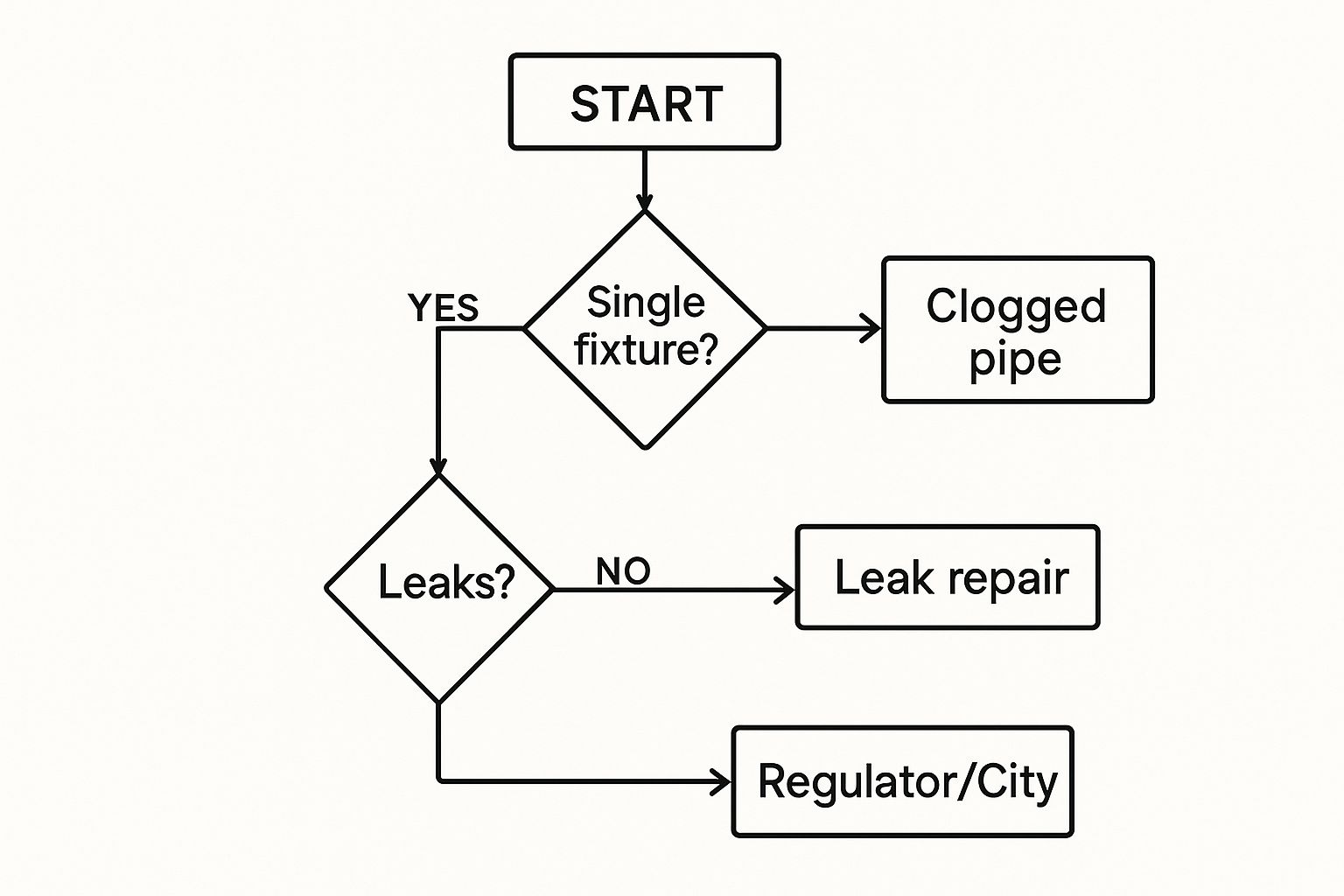
As you can see, figuring out if the problem is at a single fixture versus the whole house is the most important first step. It really tells you where to look next.
Investigate Deeper Plumbing Problems
If the simple checks didn't do the trick, it's time to dig a little deeper into the plumbing system itself. This is where things like old pipes, mineral buildup, and failing hardware come into play.
Here are the next components to put on your checklist:
- The Pressure Reducing Valve (PRV): Look for a bell-shaped device right where your main water line comes into the house. That's the PRV. Its only job is to take the super-high pressure from the city's water main and tame it down to a safe level for your home's pipes and appliances, usually somewhere between 40-60 PSI. Over time, these valves can fail and get stuck, strangling the water flow to your entire house.
- Hidden Water Leaks: A leak doesn't have to be a geyser to cause problems. Even a tiny, pinhole-sized leak in a pipe behind a wall can create a significant drop in your water pressure. Keep an eye out for sneaky signs like a random damp spot on the drywall, a persistent musty smell, or a water meter that keeps ticking up even when you know all the water is off. These hidden leaks are more than just a pressure problem; they're a recipe for mold and serious structural damage. A damp environment from a leak can even affect other systems in your home; if you suspect one, our guide to AC repair in Austin, TX might offer some related insights.
Your Next Steps: Expert Advice and Pro Solutions
So, you’ve put on your detective hat and have a pretty solid hunch about what’s strangling your water pressure. If it was just a gunked-up faucet aerator, pat yourself on the back—you’re done. Easy fix.
But what if the culprit is something bigger? A failing Pressure Reducing Valve (PRV), a sneaky hidden leak, or old, corroded pipes that are on their last legs? For these more serious jobs, you need a smart, reliable plan of attack.
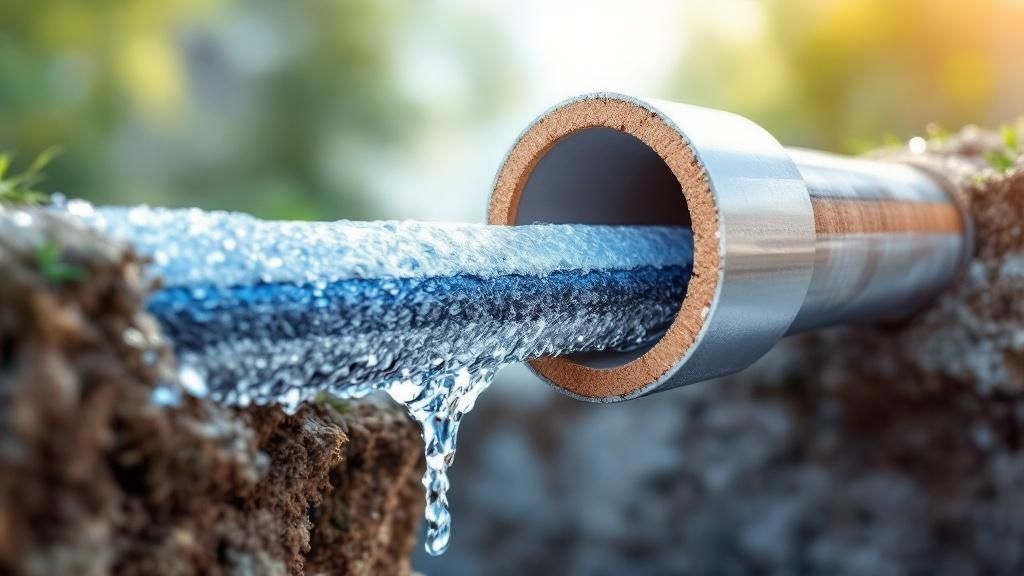
This is where my dual expertise comes in handy. For quick, affordable advice, JustAnswer is your go-to. For full-service, hands-on repairs in Austin, HomeWise is the solution.
Instant Expert Guidance on JustAnswer
Before you start tearing things apart, how about getting an expert’s second opinion? That’s exactly what I provide on JustAnswer. For a small trial fee, you can chat with me, send photos of your PRV, and get a diagnosis in minutes. This can stop you from ordering the wrong part or starting a project that’s over your head. On JustAnswer, I guide users to check their systems remotely, saving them time and money. Got a quick fix on JustAnswer but need a pro for the repair? Let HomeWise handle the complex work in Austin.
Expert Tip: A classic giveaway for a failing PRV is a humming or whistling sound whenever water is running in the house. If you hear that sound coming from near your main water line, it's a very strong clue that the valve is the problem.
Find the Right Parts Without the Guesswork
Okay, you know what needs to be replaced. Now comes the next headache: finding a quality part from a source you can actually trust. Instead of spending hours sifting through sketchy online vendors, you can go straight to the suppliers I rely on for my own clients.
For a new Pressure Reducing Valve or other common plumbing components, these are my go-to's:
- RepairClinic: An excellent source for a huge variety of plumbing parts. They also have some fantastic how-to videos.
- Sears PartsDirect: A rock-solid option, especially when you need to find specific model numbers or original manufacturer parts.
- Parts Select: A great resource for a wide range of appliance and plumbing repair parts.
Using a reputable supplier means you get a part that fits right and is built to last.
HomeWise’s Local Advantage for Austin Homeowners
For a lot of folks here in Austin, the real challenge isn't diagnosing the issue—it's finding the time and a truly reliable pro to handle the work. That’s why I created the HomeWise Services $20 concierge service. For less than what most plumbers charge just to show up, I’ll personally troubleshoot your issue over the phone, recommend the correct parts, and schedule a vetted, top-tier local plumber to perform a white-glove repair. You get a completely seamless experience without any of the stress. For comprehensive plumbing repair in Austin, TX, we take the hassle completely off your plate.
Your Path to a Perfect Fix in Austin
You've done the detective work and have a better handle on what might be causing that frustratingly weak shower. From city-wide issues in Austin to problems hiding right inside your own walls, the next step is to choose the best solution for your needs.
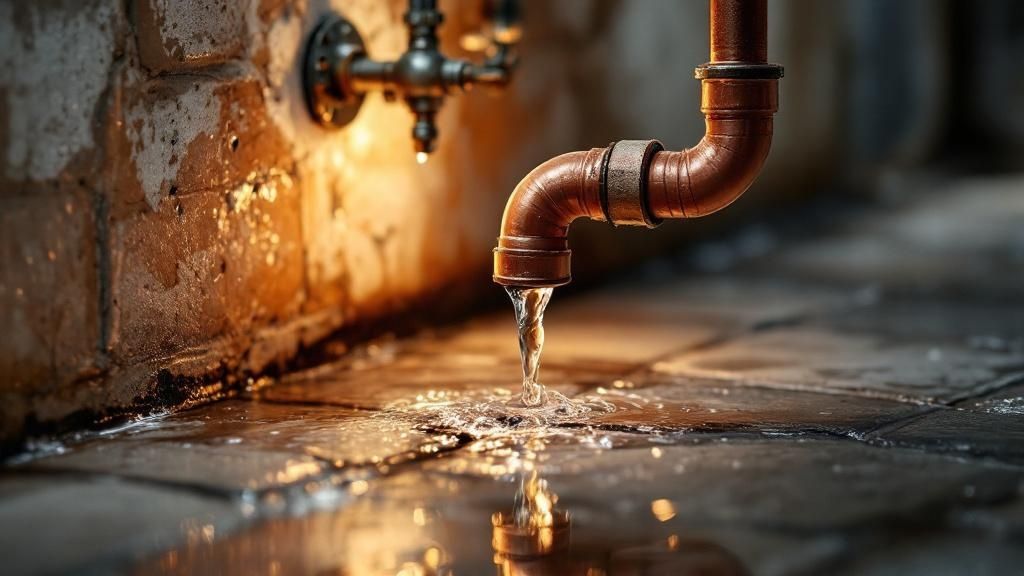
Whether you need fast, remote help from me on JustAnswer or local, hands-on support from HomeWise, the goal is the same: to get your water flowing perfectly again.
1. Instant, Remote Diagnostics with JustAnswer
If you're stuck mid-repair or just want an expert opinion before you start, my service on JustAnswer is your best bet. For a small trial fee, you get immediate access to my expertise.
Get instant help from me on JustAnswer for just $5. Be sure to cancel within 7 days via ‘My Account’ > ‘Membership’ or contact [email protected] to avoid any monthly fees. Chat with me, Scott MasterTch, right now.
2. White-Glove, Hands-On Support from HomeWise Services
If you're in the Austin area and prefer a pro to handle everything, our $20 HomeWise concierge service is the ultimate stress-free fix. I’ll personally handle the diagnosis, source the parts, and schedule a trusted local plumber for the repair.
Every booking with HomeWise helps support a cause I care deeply about, the Texas Amputee Golf and Wellness Foundation (@TAGWFSA).
Ready to get your water pressure back to normal? Book your $20 HomeWise consultation now and let’s get this sorted out. You can also order any necessary parts from top suppliers like RepairClinic.
Frequently Asked Questions About Low Water Pressure
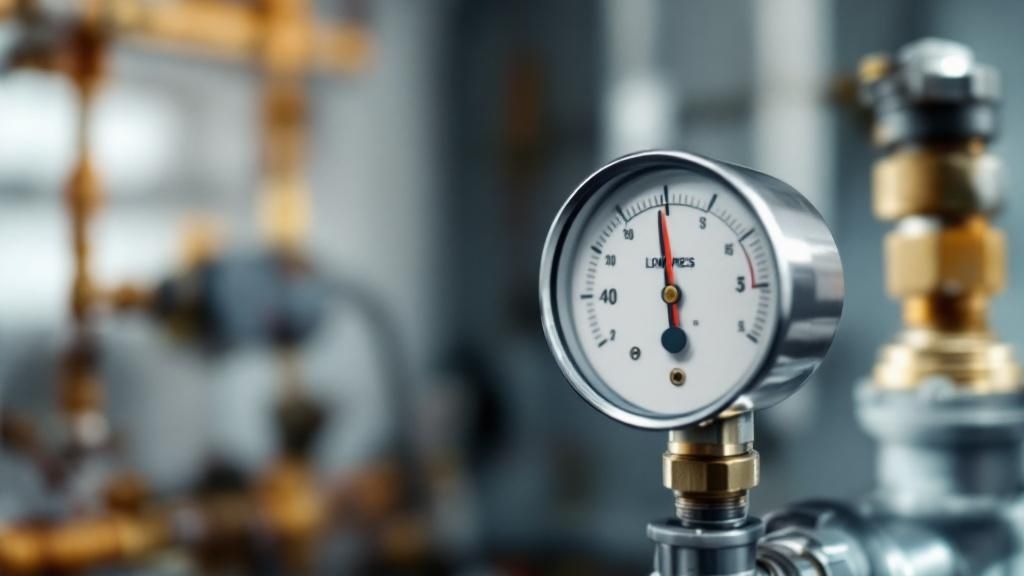
After years of helping homeowners, I hear the same questions pop up. Here are some of the most common ones I get from Austin residents dealing with weak water flow.
Can I fix low water pressure myself?
Absolutely! Many common causes are perfect for a little DIY. Things like cleaning out a gunked-up faucet aerator or a clogged showerhead are simple fixes you can knock out in minutes. However, for bigger jobs like replacing a PRV or hunting for a leak, it's best to get expert advice. For quick questions, chat with me on JustAnswer. For professional repairs in Austin, book our HomeWise concierge service.
Why is only my hot water pressure low?
If you’ve got plenty of cold water but the hot water is just dribbling out, the problem is almost always your water heater. Sediment and mineral scale from Austin's hard water can build up and clog the hot water outlet pipe. You may need to flush the heater or replace a valve. You can find quality replacement parts at a reliable supplier like RepairClinic. For a hands-off solution in Austin, our HomeWise service can dispatch a pro to handle it for you.
My water pressure is low in the whole house. What should I check first?
When every faucet is weak, first ask your neighbors if they have the same issue. If they do, it's likely an issue with the Austin municipal water supply. If it's just your house, check that your main water shut-off valve is fully open. If that’s not it, the culprit is likely a failing Pressure Reducing Valve (PRV). Diagnosing a PRV can be tricky, so for a fast, accurate answer, you can chat with me on JustAnswer or have me diagnose it through the HomeWise concierge service.
How do I avoid JustAnswer fees?
JustAnswer offers a great trial where you can get expert advice for just a few dollars. To avoid recurring monthly fees, make sure you cancel your membership within the 7-day trial period. You can do this by navigating to ‘My Account’ > ‘Membership’ > ‘Cancel membership’ on their website, or by contacting their customer support at [email protected]
Ready for a fast, reliable solution? HomeWise Services takes the stress out of plumbing repairs with our $20 concierge service. Book a consultation today and let an expert handle it.
 HomeWise Services by Master Tech Scott
Leave a comment