Welcome to your practical guide for turning your Austin home into an energy-saving powerhouse, especially when that Texas heat kicks in. When it comes to the most impactful energy efficient home upgrades, it’s smart to tackle them in an order that gives you the best return. From sealing your home’s “thermal envelope” to upgrading your AC and appliances, these are smart investments for both your comfort and your wallet.
As Scott MasterTch, with over 1,500 questions answered on JustAnswer, and the founder of Austin’s own HomeWise Services, I’ll guide you through the fixes that matter most. If you hit a snag and need instant advice, you can get instant help from me on JustAnswer. For local, hands-on support, my HomeWise team offers a $20 concierge service to troubleshoot your issue and schedule a white-glove repair. Book our concierge service online anytime.
Why Energy Efficiency Matters for Your Austin Home
This article breaks down the home improvements that give you the most bang for your buck in the Austin area. We’ll cover everything from foundational fixes like insulation to high-tech helpers like smart thermostats. I’ll show you how these upgrades can lower your bills, boost your property value, and create a healthier, more comfortable place to live. An efficient home doesn’t just save you money—it shields you from Austin’s blistering summers and surprising cold snaps.
Making smart, targeted upgrades is the key to unlocking long-term savings. The goal isn’t just to replace old equipment but to create an integrated system where every component works together to minimize waste and maximize comfort.
Here’s a quick look at what we’ll cover:
- Building a Thermal Shield: The most critical step—insulation and air sealing—is the absolute foundation of an efficient Austin home.
- Climate Control Systems: Learn how modern AC systems, high-performance windows, and smart thermostats can drastically slash your cooling costs.
- Smart Appliances and Lighting: We’ll uncover the significant savings hiding in everyday items like your refrigerator and light bulbs.
A portion of all HomeWise proceeds supports the Texas Amputee Golf and Wellness Foundation (@TAGWFSA), so your repairs also help our local community.
Building Your Home’s Thermal Shield
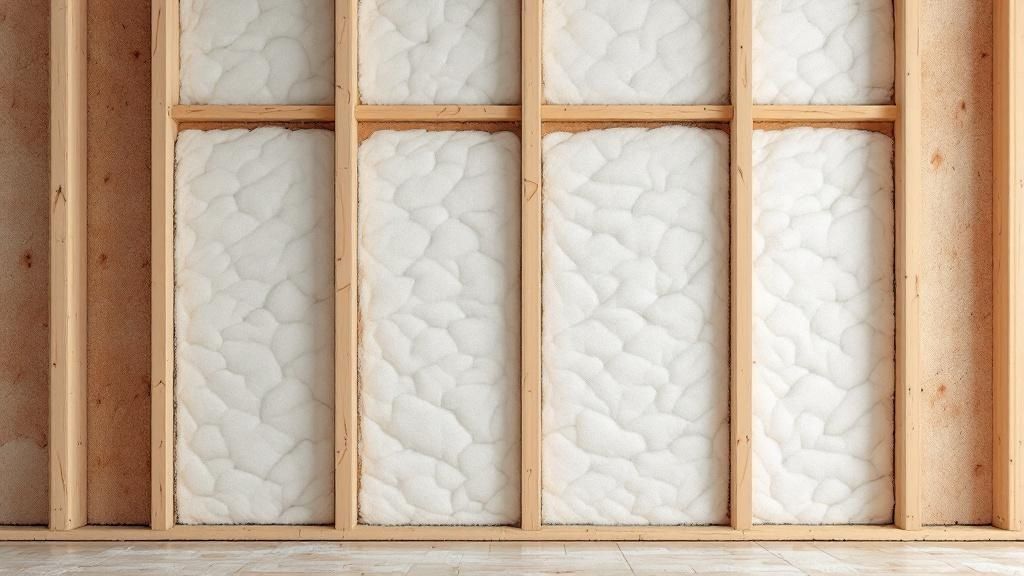
Think of your home’s walls, attic, and foundation as a high-performance thermos. Its job is to keep cool, conditioned air inside during Austin’s brutal summers. This protective barrier is what we call the thermal envelope.
When that envelope has gaps, cracks, or insufficient insulation, your expensive cool air escapes, and the sweltering Texas heat seeps right in, forcing your AC to work overtime. This constant battle drives up your energy bills and creates uncomfortable, drafty rooms. Fortifying this shield is the absolute first step in any real energy efficiency plan.
Understanding Your Insulation Options
Picking the right insulation is crucial, and different types work better for specific areas of your Austin home. Each offers a unique balance of cost, performance, and installation method.
Here are the most common choices for Texas climates:
- Fiberglass: This is the familiar pink or yellow stuff you see in rolls or batts. It’s cost-effective and a go-to for attics, walls, and crawl spaces.
- Cellulose: Made from recycled paper treated for fire resistance, cellulose is blown into wall cavities and attics. It’s fantastic for filling the nooks and crannies in older Austin homes.
- Spray Foam: This premium choice is both an insulator and an air sealant. It expands to create a powerful, airtight barrier, making it one of the most effective energy efficient home upgrades for stopping leaks.
Sealing the Deal on Air Leaks
Before adding more insulation, your top priority should be sealing air leaks. It’s shocking how much conditioned air a home can lose through tiny gaps around windows, doors, electrical outlets, and plumbing.
A well-sealed and properly insulated home is the bedrock of energy efficiency. It makes every other upgrade—from a new HVAC system to smart appliances—perform better and deliver greater savings.
Retrofitting an existing home with better seals and insulation is an incredibly powerful strategy. In fact, taking these measures can cut a building’s energy use by up to 30%. You can learn more about the impact of these building upgrades and their role in sustainability.
If you’re struggling to track down drafts or need advice on the best insulation for your home, the $20 HomeWise concierge service provides expert, Austin-specific guidance. Book a consultation today.
Upgrading Your Home’s Climate Control Systems
Your HVAC system is the heart of your home’s comfort and the single biggest energy hog. Upgrading your AC is one of the most impactful energy efficient home upgrades you can make against Austin’s relentless heat.
Modern systems are rated using SEER (Seasonal Energy Efficiency Ratio). The higher the SEER number, the more efficient the unit is, translating directly into lower electricity bills.
The Power of Smart Climate Management
The savings don’t stop with the main unit. A smart thermostat learns your family’s daily rhythm and adjusts the temperature on its own, so you stop paying to cool an empty house. On JustAnswer, I often guide users on how to install and program these devices for maximum savings. For instance, I recently helped an Austin homeowner troubleshoot a thermostat that wasn’t connecting to their new AC unit, saving them a costly service call. Need a new thermostat? You can find great options at RepairClinic.
If your current AC is struggling, a professional diagnosis can tell you what’s really going on. Our expert technicians can help you figure out if a simple fix or a full upgrade is your best move. Find out more about our local AC repair services in Austin to get an expert opinion.
High-Performance Windows: Your HVAC’s Best Friend
Even the best air conditioner fights a losing battle if your windows let the sun bake your living room. High-performance windows act as a shield, giving your HVAC system a much-needed break.
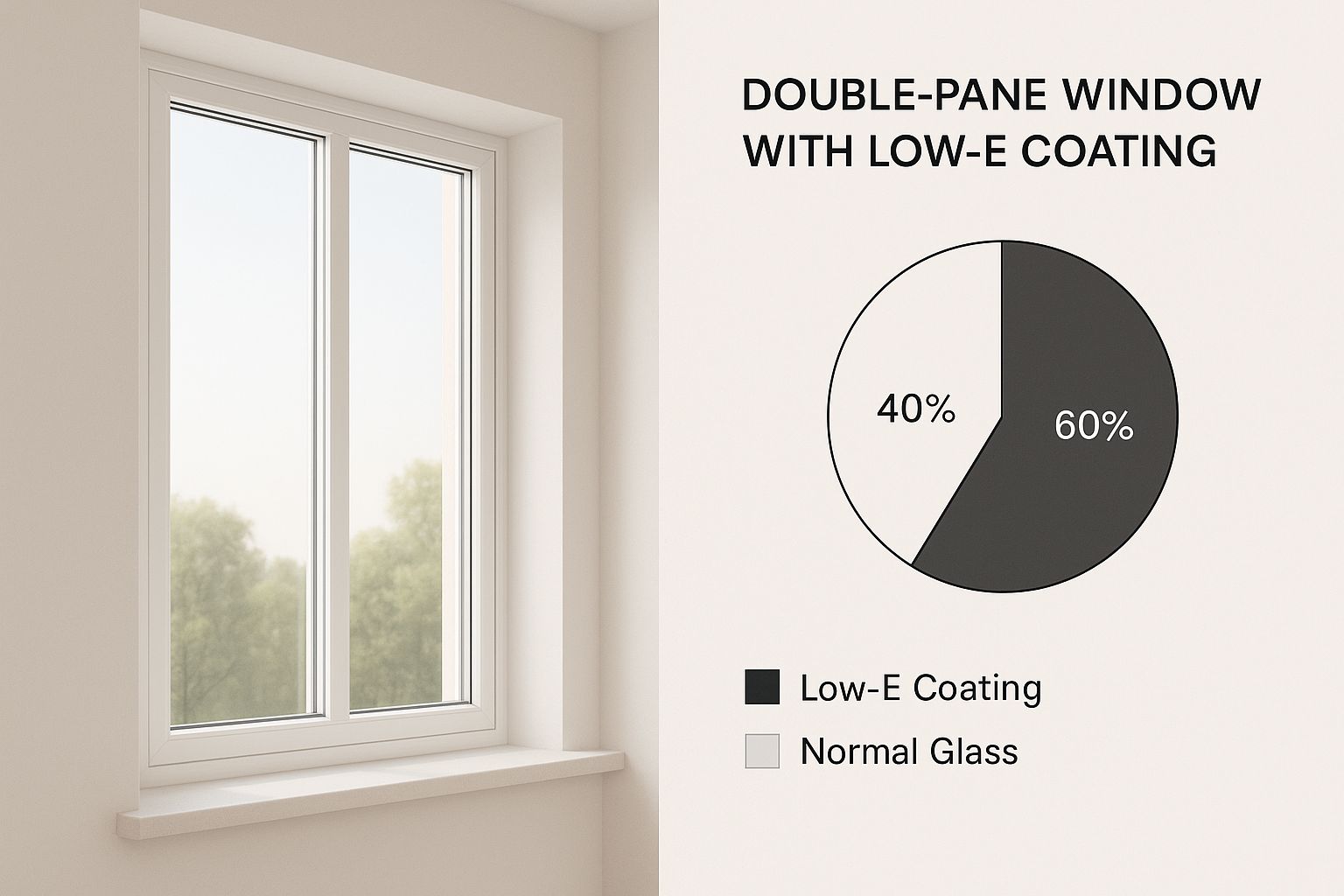
When shopping for new windows, look for these two critical features:
- Double-Pane Glazing: Two panes of glass are separated by a layer of insulating gas (like argon) to slow down heat transfer.
- Low-E Coatings: A transparent, microscopic coating reflects infrared heat, keeping it outside in the summer and trapping heat inside during winter.
By blocking solar heat gain, these windows cut your cooling costs and can extend the lifespan of your HVAC system.
Energy Upgrade Return on Investment Comparison
The table below breaks down the typical costs and payback periods for common energy upgrades in an Austin home.
| Upgrade | Average Upfront Cost | Estimated Annual Savings | Typical ROI Period |
|---|---|---|---|
| Attic Insulation | $1,500 – $3,500 | $200 – $600 | 4-7 years |
| High-Efficiency HVAC | $8,000 – $15,000 | $400 – $1,200 | 7-12 years |
| Energy-Efficient Windows | $10,000 – $20,000+ | $150 – $500 | 15+ years |
| LED Lighting | $200 – $500 | $100 – $300 | 1-3 years |
| Smart Thermostat | $150 – $300 | $50 – $150 | 1-3 years |
As you can see, some upgrades like LED lighting and smart thermostats pay for themselves incredibly quickly. Larger investments like a new HVAC system deliver significant comfort improvements and add long-term value to your home.
Ready to take the next big leap in home efficiency? Let’s rethink how your home gets its power by embracing electrification and renewables. This shift is huge, dramatically cutting your dependence on the utility company and shrinking your carbon footprint.
The All-in-One Power of Heat Pumps
In a climate like Austin’s, high-efficiency electric heat pumps are a brilliant all-in-one solution. In summer, they work like a super-efficient air conditioner. In winter, they reverse the process, pulling heat from the outside air to warm your home. Because it moves heat instead of creating it, it’s incredibly efficient.
Achieving Energy Independence with Solar Power
Installing a solar panel (PV) system is the ultimate move toward energy independence. You’ll generate your own clean electricity, which can slash—or even eliminate—your reliance on the local power grid. This protects you from rising energy costs and helps build a more stable, sustainable community.
Pair a solar PV system with an electric vehicle (EV) to maximize your investment. The panels on your roof can power your home and charge your car.
This combination of electrification and renewables is changing the game. Government and utility incentives can help, with some programs offering rebates that cut a home’s heating energy use by 30–50%. You can read more about the global energy outlook.
To make this setup truly bulletproof, many homeowners add:
- Home Battery Storage: Stores extra solar power for use at night or during a power outage.
- EV Chargers: “Refuel” your vehicle overnight using the clean energy from your rooftop.
Choosing Smart Appliances and Lighting
Sometimes the smallest changes lead to the biggest savings. This is true for appliances and lighting. These everyday workhorses are easy to overlook, but their combined impact on your utility bills is massive.
When it’s time to replace an old refrigerator, dishwasher, or washing machine, the ENERGY STAR label is your best friend. That blue seal means the product meets strict efficiency guidelines set by the U.S. EPA, saving you money.
Modern Features That Cut Waste
Today’s efficient appliances come packed with smart features designed to stop waste. For example, a common issue I troubleshoot on JustAnswer is a dishwasher not cleaning well. Often, the cause is a clogged filter or a faulty spray arm, which is common with Austin’s hard water. A new spray arm is an easy DIY fix. You can find the right one for your model at Sears PartsDirect.
Keep an eye out for these innovations:
- Advanced Insulation: New refrigerators use better insulation to lock in cold air, so the compressor runs less.
- Moisture Sensors: High-efficiency dryers shut off automatically when clothes are dry, preventing energy waste.
- Efficient Wash Cycles: Newer dishwashers and washing machines use far less water and energy.
If your current appliances are on the fritz, it might be time for a professional look. For expert help, learn more about our appliance repair services in Austin, TX.
The Bright Idea of Efficient Lighting
Switching out your light bulbs is one of the fastest and cheapest energy upgrades. If you’re still using old incandescent bulbs, you’re basically paying for tiny, inefficient space heaters.
Upgrading to LED lighting is a complete no-brainer. LEDs use up to 75% less energy and can last up to 25 times longer. That adds up to serious savings on electricity and replacement bulbs.
Pair new LED bulbs with smart lighting controls like dimmers and motion sensors to ensure you’re only using electricity when and where you need it.
Getting Expert Help with Your Home Upgrades
Tackling energy-efficient home upgrades can feel overwhelming. Figuring out where to start—or what to do when something goes wrong—is often the biggest hurdle. The right guidance can save you from sinking money into the wrong fix.
Sometimes you just need a quick, reliable answer. For those moments, you can connect with me, Scott MasterTch, directly on JustAnswer. I can help you figure out why your AC is running nonstop or find the exact part you need for a DIY repair. With over 1,500 questions answered, I’ve seen it all.
Get instant help from me on JustAnswer for just $5. Try JustAnswer for $5, but cancel within 7 days via ‘My Account’ > ‘Membership’ > ‘Cancel membership’ or contact [email protected] to avoid monthly fees. You can start a chat with me here.
Local, Hands-On Support in Austin
While remote advice is perfect for quick troubleshooting, some jobs need a local pro. That’s why I founded HomeWise Services right here in Austin. We offer a unique $20 concierge service designed to take the headache out of home repairs.
Here’s how it works: For just $20, I’ll personally get on the phone with you to troubleshoot the issue and map out the best plan. If it turns out you need a pro, we’ll schedule a vetted, white-glove technician to get the job done right. Got a quick fix on JustAnswer? Let HomeWise handle the complex repairs in Austin.
Whether you’re dealing with a finicky appliance or a serious plumbing problem, our team is here to help. Check out our approach to plumbing repair in Austin, TX to get a feel for our level of service.
This two-pronged approach gives you the best of both worlds:
- JustAnswer: For immediate, expert DIY guidance from anywhere.
- HomeWise Services: For personalized, on-the-ground support and managed repairs right here in Austin.
Book your $20 HomeWise concierge consultation now and let’s get it sorted.
Your Top Questions About Energy Upgrades in Austin
Jumping into energy-efficient home upgrades brings up questions about cost, savings, and where to start. Let’s tackle the most common questions Austin homeowners ask.
Which Upgrades Give Me the Best Bang for My Buck in Austin?
For most homes in Austin, the best return on investment starts with your “thermal envelope.” This means adding attic insulation and sealing air leaks around windows, doors, and pipes. These are relatively low-cost fixes that pay you back immediately in cooling and heating savings.
Once that’s handled, your next big win is upgrading to a high-efficiency HVAC system or installing a smart thermostat. These upgrades directly attack the single biggest energy user in any Texas home.
How Much Can I Realistically Expect to Save?
The exact amount depends on your home’s age and size, but the impact is always noticeable on your utility bills.
- Insulation & Air Sealing: It’s not uncommon to see heating and cooling costs drop by 15-20%.
- HVAC Upgrade: A modern, high-SEER unit can slash your cooling expenses by 20-40%.
- LED Lighting: Swapping out old bulbs can cut lighting energy usage by 75%.
These savings add up month after month, turning each upgrade into a smart investment.
Can I Get Tax Credits for Making These Improvements?
Yes, federal programs like the Section 25C Energy Efficient Home Improvement Tax Credit offer incentives for adding insulation, installing high-efficiency windows, and upgrading HVAC systems.
A word of caution: many of these credits are currently scheduled to expire after December 31, 2025. It’s always a good idea to chat with a tax professional to make sure you’re getting every penny you’re entitled to.
If you’re stuck on which upgrade makes sense or need quick advice, expert help is a game-changer. For fast answers, I’m available on JustAnswer.
For personalized, hands-on support in Austin, the team at HomeWise Services offers a $20 concierge consultation. We’ll help you map out your upgrades and connect you with trusted local pros. Book Your Expert Consultation Today.
FAQ Quick Reference Guide
Navigating home energy efficiency can bring up a lot of questions. Here’s a quick guide to some of the most common ones.
| Question | Answer |
|---|---|
| Can I do these upgrades myself? | Many upgrades like installing a smart thermostat or sealing air leaks are great DIY projects. For bigger jobs like AC installation or adding insulation, it’s often best to hire a pro. For DIY help, I can guide you through steps on JustAnswer. For professional installation, book our HomeWise concierge service. |
| How do I avoid JustAnswer fees? | JustAnswer offers a $5 trial for new users. To avoid recurring monthly fees, be sure to cancel your membership within 7 days. You can do this through ‘My Account’ > ‘Membership’ > ‘Cancel membership’ on their site or by emailing their support team. |
| Are solar panels worth it in Austin? | Absolutely. With abundant sunshine and various incentives, solar panels can significantly reduce or even eliminate your electricity bill. |
| Is a smart thermostat really that much better? | Yes. It learns your habits and optimizes your HVAC schedule automatically, saving you money without you having to think about it. It’s a small change with a big payoff. |
| How often should I check my attic insulation? | Quality insulation can last for decades, but it can settle or get damaged. It’s wise to have it inspected every 10-15 years to ensure it’s still performing well. |
 HomeWise Services by Master Tech Scott
Leave a comment