Surviving the intense Austin heat means relying on a perfectly functioning AC system. A sudden breakdown isn’t just an inconvenience; it’s a major disruption to your comfort and budget. That’s why consistent upkeep is non-negotiable for any local homeowner. I’m Scott MasterTch, and having answered over 1,500 home repair questions on JustAnswer, I’ve seen firsthand how a simple hvac system maintenance checklist can prevent costly emergencies. This guide is designed to keep your unit running efficiently, helping you avoid unexpected failures during peak Texas summers.
For immediate, personalized advice on your specific unit, you can connect with me directly on JustAnswer. Try JustAnswer for $5, but cancel within 7 days via ‘My Account’ > ‘Membership’ > ‘Cancel membership’ or contact [email protected] to avoid monthly fees. And for my fellow Austin residents who need hands-on help, my local company, HomeWise Services, offers a unique $20 concierge service for expert diagnostics and seamless, white-glove repair scheduling. Following this checklist will empower you, but when you need expert backup, we’re here to help.
1. Replace or Clean Air Filters
Topping any comprehensive hvac system maintenance checklist is the single most impactful task a homeowner can perform: replacing or cleaning the air filter. This simple component is your system’s primary guardian, trapping dust, pollen, pet dander, and other airborne contaminants before they can circulate through your home or clog sensitive internal components. A dirty, obstructed filter forces your HVAC unit to work significantly harder, leading to higher energy bills, reduced cooling performance, and unnecessary strain that can shorten the equipment’s lifespan.
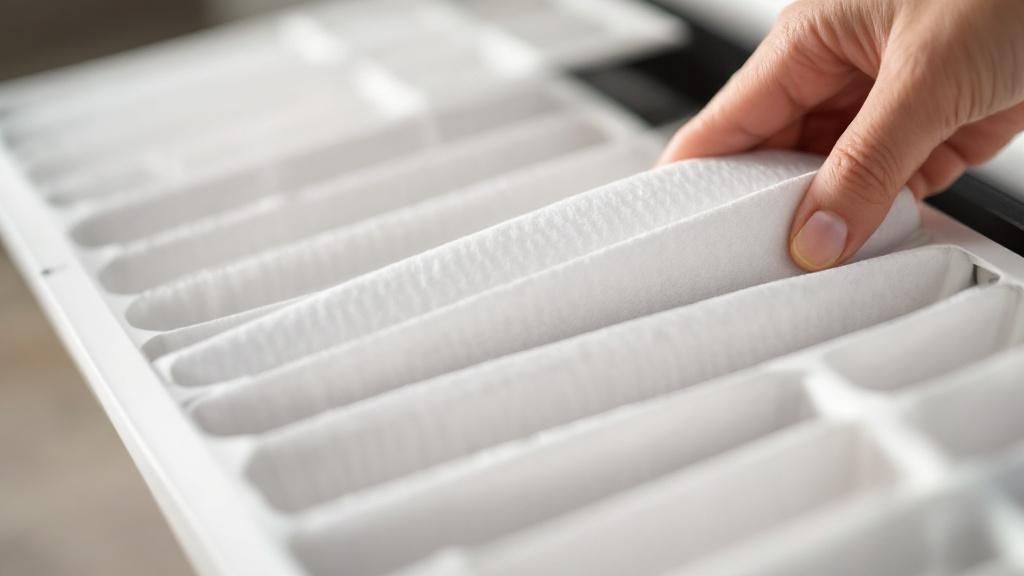
The benefits are well-documented. A local school district prevented an estimated $50,000 in premature equipment replacements simply by adhering to a strict filter-changing schedule. On JustAnswer, I frequently help Austin homeowners who notice improved air quality and reduced allergy symptoms just by switching to a better filter. This task is not just maintenance; it’s a direct investment in your home’s air quality and your system’s long-term health. If you’re unsure which filter to buy, you can find a wide selection at RepairClinic.
Actionable Tips for Filter Maintenance
- Check Monthly, Replace Quarterly: Visually inspect your filter every 30 days. Replace disposable filters every 1-3 months, depending on factors like pets, allergies, and the high pollen count in the Austin area.
- Set Reminders: Use your phone’s calendar to set a recurring reminder. Consistency is key.
- Choose the Right MERV Rating: For most residential applications, a filter with a MERV (Minimum Efficiency Reporting Value) rating between 8 and 11 offers an excellent balance of air filtration and system airflow.
- Never Run Without One: Operating your system without a filter allows dust and debris to accumulate directly on the evaporator coil, a costly and difficult component to clean.
2. Clean and Inspect Condenser Coils
A critical, yet often overlooked, part of any hvac system maintenance checklist is tending to the outdoor condenser coils. These metallic fins release heat absorbed from inside your home. Over time, they become blanketed with dirt, grass clippings, and Central Texas cottonwood fluff, creating an insulating barrier. This buildup severely hinders heat transfer, forcing your compressor to work harder and longer, which drives up energy consumption and can lead to premature system failure.
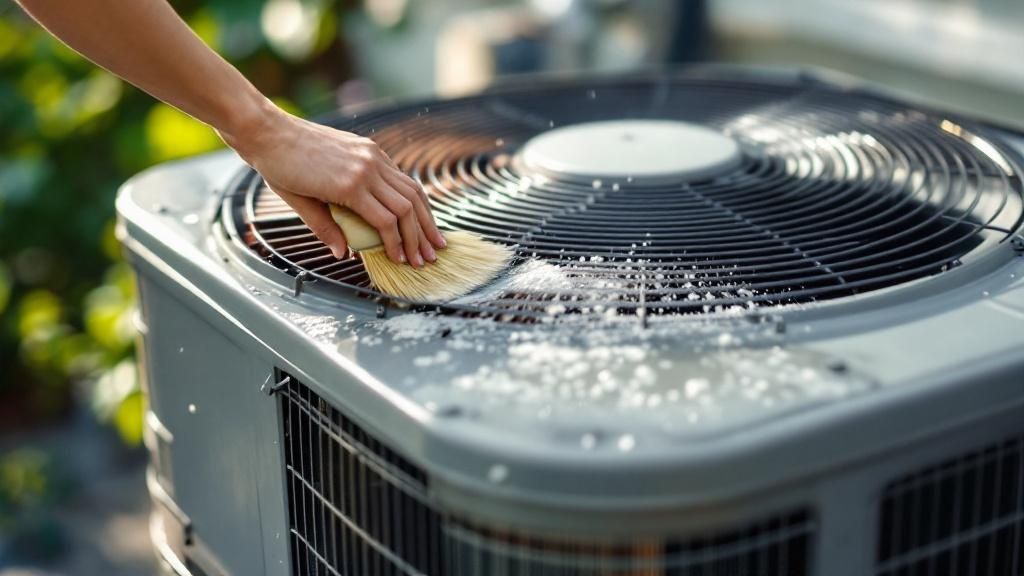
The impact of clean coils is substantial. A national restaurant chain saw a 25% reduction in cooling costs after implementing a quarterly coil cleaning schedule. On a more critical scale, I once guided a JustAnswer user through a simple coil cleaning that prevented a catastrophic $2,500 compressor replacement. Keeping these coils clean is a direct investment in lowering your utility bills and extending the life of your most expensive home appliance, especially during the demanding Austin summers.
Actionable Tips for Condenser Coil Maintenance
- Safety First: Always turn off the power to the outdoor unit at both the thermostat and the electrical disconnect box before starting.
- Clear the Area: Maintain a minimum of two-foot clearance around the unit. Trim back any encroaching bushes or weeds.
- Use the Right Cleaner: Gently rinse the coils with a garden hose. For tougher grime, use a commercially available, no-rinse foaming coil cleaner, which you can find at suppliers like Sears PartsDirect.
- Clean from the Inside-Out: If possible, remove the top grille to spray water through the coils from the inside, pushing debris outward.
- Inspect and Straighten Fins: Carefully inspect the delicate aluminum fins. If they are bent, use a fin comb tool to gently straighten them and restore proper airflow.
3. Check and Calibrate Thermostat
The thermostat acts as the brain of your entire operation, and it’s a crucial component of any hvac system maintenance checklist. This small device dictates when your system turns on and for how long. An improperly calibrated or malfunctioning thermostat can lead to significant energy waste, inconsistent comfort, and unnecessary wear and tear on your HVAC equipment by causing it to short cycle. Ensuring its accuracy is paramount for both efficiency and comfort.
The impact of a well-managed thermostat is substantial. A commercial office building in Austin slashed its HVAC energy consumption by 18% by upgrading to smart thermostats. On a residential scale, a homeowner can save significantly just by correctly programming setback schedules. Maintaining your thermostat isn’t a minor tweak; it’s a powerful strategy for cost savings. If you think your thermostat is faulty, I can help you troubleshoot it on JustAnswer before you buy a new one.
Actionable Tips for Thermostat Maintenance
- Verify Accuracy: Tape an accurate glass thermometer to the wall next to your thermostat. After 15 minutes, compare the readings. If they are off by more than a degree, your thermostat may need recalibration or replacement.
- Update Smart Models: If you have a smart thermostat, ensure its software is up-to-date.
- Program for Savings: Set back the temperature by 7-10 degrees for eight hours a day (when you’re at work or asleep) to save up to 10% a year on cooling costs.
- Replace Batteries Annually: For battery-powered models, replace the batteries once a year to prevent your system from shutting down unexpectedly.
4. Inspect and Clean Ductwork
Often overlooked, your ductwork is the circulatory system for your home’s conditioned air, making its upkeep a critical part of any hvac system maintenance checklist. These channels distribute cool air, but over time they can accumulate dust and allergens. More importantly, leaks in the duct system, common in many Austin homes, can be a massive source of energy waste, with the EPA estimating that 20-30% of conditioned air can escape through holes and poor connections.

The impact of clean, sealed ductwork is profound. A local school significantly improved indoor air quality by implementing an annual duct maintenance program. For an Austin homeowner, this translates to lower energy bills, better air quality, and a more efficient AC system that lasts longer. If you suspect duct issues, the HomeWise Services $20 concierge service can help diagnose the problem and connect you with a trusted local professional for repairs.
Actionable Tips for Ductwork Maintenance
- Visually Inspect Accessible Ducts: Monthly, take a flashlight and check any ductwork you can see in your attic or crawlspace for tears or disconnected joints.
- Seal Leaks Properly: If you find leaks, use mastic sealant or metal-backed foil tape to seal them. Avoid using standard “duct tape,” as it degrades quickly with temperature changes.
- Clean Registers and Grilles: Every month, vacuum your supply registers and return air grilles to prevent dust buildup.
- Schedule Professional Cleaning: Have your entire duct system professionally cleaned every 3-5 years, or more often if you have pets or allergy sufferers in the household.
5. Lubricate Moving Parts and Motors
A critical but often overlooked part of any hvac system maintenance checklist is lubricating the system’s moving components. Your HVAC unit has motors and fans that operate under constant stress. Proper lubrication is the lifeblood of these parts, reducing friction, preventing overheating, and minimizing wear and tear. Neglecting this step is like running a car engine without oil; it forces components to grind against each other, increasing energy consumption and setting the stage for a costly breakdown.
The financial impact is significant. A commercial property manager avoided an estimated $8,000 motor replacement by adhering to the manufacturer’s lubrication guidelines. For an Austin homeowner, this simple task can mean the difference between a quiet, efficient system and an expensive emergency call during a summer heatwave. It’s a direct investment in the longevity and reliability of your entire HVAC system.
Actionable Tips for Lubrication Maintenance
- Consult Your Manual: Always refer to your HVAC owner’s manual to identify which parts need lubrication (some modern motors are permanently sealed) and the specific type of lubricant recommended. You can often find suitable products at Parts Select.
- Clean Before Applying: Wipe down lubrication ports before adding new lubricant to prevent contamination.
- Don’t Over-Lubricate: More is not better. Adding too much lubricant can be just as damaging as adding too little.
- Inspect Belts Simultaneously: While lubricating, check the fan belt for cracks, fraying, and proper tension.
6. Test and Clean Drain Lines and Condensate System
A critical yet often overlooked part of any hvac system maintenance checklist is managing the condensate drainage system. Your air conditioner naturally pulls moisture from the humid Austin air. This water is collected in a drain pan and directed outside through a drain line. If this line becomes clogged with algae and sludge, water can back up, causing significant water damage, mold growth, and an automatic system shutdown.

The consequences can be severe. A large hotel chain prevented an estimated $2 million in water damage by implementing a proactive condensate maintenance program. I’ve walked many Austin homeowners through clearing a clogged drain line on JustAnswer, saving them from costly water damage repairs. This routine task is not just about preventing clogs; it’s about safeguarding your property from expensive disasters.
Actionable Tips for Condensate System Maintenance
- Use Vinegar Proactively: Once a month during cooling season, pour a cup of distilled white vinegar down the condensate drain line access point to prevent algae buildup.
- Clear Minor Clogs: If you notice slow draining, use a wet/dry vacuum on the exterior end of the drain line to suck out any blockages.
- Test Overflow Switches: If your system has a float switch (a safety device that shuts the system off if water backs up), test it by manually lifting the float. The system should turn off immediately.
- Keep the Drain Pan Clean: Periodically inspect and clean the primary drain pan located under your indoor unit.
7. Inspect Electrical Connections and Controls
Beyond airflow, the electrical system is the nervous system of your HVAC unit. An often-overlooked part of a homeowner’s hvac system maintenance checklist, inspecting electrical components is critical for preventing sudden failures and ensuring safety. Loose connections or failing parts like capacitors and contactors can lead to system shutdowns and potentially dangerous electrical hazards.
The impact of proactive electrical checks is significant. A regional restaurant chain slashed its HVAC equipment failures by over 60% by implementing a quarterly electrical component review. Checking wires and controls is about preventing catastrophic failures and ensuring your system is safe and reliable, especially during Austin’s peak cooling season.
Actionable Tips for Electrical Inspection
- Safety First, Always: Before opening any access panels, turn off all power to the HVAC unit at the breaker box and the disconnect switch.
- Look for Trouble Signs: Visually inspect all wiring for signs of overheating, such as melted plastic insulation or a burnt smell. Check for corrosion on terminals.
- Tighten Connections: Gently tug on wires to ensure they are secure in their terminals.
- Test Key Components: If you are experienced with a multimeter, you can test capacitors, a common failure point. For complex diagnostics in Austin, the HomeWise Services $20 concierge service offers expert guidance and can help identify the correct replacement part from suppliers like Reliable Parts.
8. Monitor and Maintain Refrigerant Levels
A crucial, though less visible, item on any hvac system maintenance checklist is managing your system’s refrigerant. This chemical is the lifeblood of your air conditioner. Proper refrigerant levels are absolutely critical; if they are too low, your system cannot cool effectively and may suffer severe damage. Too high, and you risk destroying the compressor, the most expensive component.
A large office complex avoided a catastrophic compressor failure by catching a slow refrigerant leak during routine professional maintenance. This highlights that refrigerant isn’t a “set it and forget it” fluid. It’s a key performance indicator of your system’s health and efficiency, directly impacting your comfort and your utility bills.
Actionable Tips for Refrigerant Maintenance
- Professional Service is Required: Due to environmental regulations (EPA Section 608), refrigerant handling must be performed by a certified technician. This is not a DIY task.
- Fix Leaks First: Low refrigerant levels always indicate a leak. The leak must be located and properly repaired before recharging the system.
- Watch for Warning Signs: Be alert for symptoms like ice on the copper lines, lukewarm air from vents, or a system that runs constantly but doesn’t cool your Austin home.
- Schedule Annual Checks: The best way to monitor levels is through annual professional tune-ups. If you suspect an issue, HomeWise Services’ $20 concierge service can help diagnose the problem and schedule a qualified professional.
Your Next Step to a Perfectly Maintained HVAC System
Mastering this hvac system maintenance checklist is a strategic investment in your home’s comfort and long-term value. By following these steps, you are now equipped with the knowledge to prevent costly breakdowns, improve your indoor air quality, and lower your energy bills during the demanding Austin summer. Consistency is key; a well-maintained system is the result of regular, scheduled attention.
However, we understand that not every homeowner has the time or confidence to tackle every item on this list. For those moments when you need immediate, step-by-step guidance, you can connect directly with me, Scott MasterTch, on JustAnswer. I can provide the quick, expert advice you need to proceed safely. Remember to cancel your $5 trial within 7 days to avoid monthly fees.
For our neighbors in Austin and surrounding areas, there’s an even more tailored solution. When a task feels too complex, the HomeWise Services $20 concierge service is your direct line to expert help. I can personally troubleshoot your issue over the phone, recommend the correct parts from trusted suppliers like RepairClinic, and schedule a white-glove repair service. This unique service bridges the gap between DIY effort and professional intervention, ensuring your HVAC system receives the precise care it needs without the guesswork. A portion of all HomeWise proceeds supports the Texas Amputee Golf and Wellness Foundation.
Frequently Asked Questions (FAQs)
1. Can I really perform this HVAC maintenance myself?
Many tasks, like changing air filters and cleaning condenser coils, are very DIY-friendly. For more complex jobs like electrical inspections or handling refrigerant, we strongly recommend professional help. For guided DIY support, chat with me on JustAnswer. For hands-off service in Austin, book our HomeWise Services concierge.
2. How do I avoid the monthly fees for JustAnswer?
You can try JustAnswer for a small trial fee (e.g., $5) to get your question answered. To avoid recurring monthly charges, simply cancel your membership within 7 days. You can do this through your “My Account” page on their website or by emailing their customer support at [email protected]
3. What is the HomeWise Services $20 concierge service?
It’s a personalized service for Austin-area residents. For $20, I will personally help you troubleshoot your HVAC, plumbing, or appliance issue over the phone, recommend the right parts from suppliers like Sears PartsDirect, and schedule a vetted, local technician for any necessary repairs, offering a white-glove experience from start to finish.
4. How often should I have professional AC maintenance in Austin?
We recommend a professional tune-up at least once a year, ideally in the spring before the cooling season begins. This ensures your system is clean, safe, and operating at peak efficiency before the Texas heat sets in.
Ready to take the guesswork out of your HVAC maintenance? Let HomeWise Services be your trusted partner for expert diagnostics and seamless repair scheduling in the Austin area. For just $20, our concierge service provides the professional guidance you need to keep your system running flawlessly. Book your HomeWise consultation today and enjoy total peace of mind.
 HomeWise Services by Master Tech Scott
Leave a comment