
Quick Answer: If your espresso machine or coffee maker is brewing slow, leaking, or flashing an error, the most common cause I see in San Antonio is mineral scale from our hard water. Next are parts that went back in wrong after cleaning, jammed grounds, and clogged brew heads. Unplug it, let it cool, reseat the removable parts, empty the grounds bin, and run the machine’s own descale or cleaning cycle. If it still won’t behave, a sensor, pump, or control board may have failed, and that’s a job for a pro.
I’m Master Tech Scott with HomeWise Services. The same handful of coffee machine problems show up across very different brands. Here’s what I commonly see and what you can safely check.
Which machines does this cover?
These five lines come up most often:
- Nespresso Vertuo
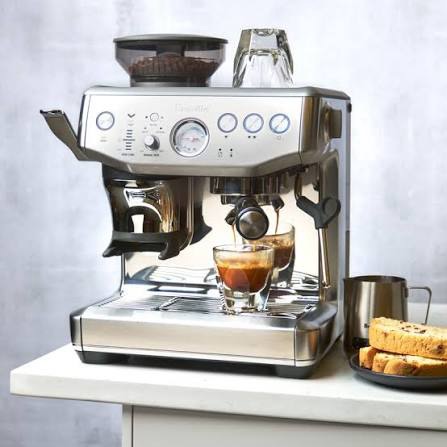
- Breville espresso machines
- De’Longhi Magnifica
- Jura E8
- Miele built-in coffee and drink stations
Why does San Antonio’s water matter so much?
The San Antonio Water System (SAWS) says the typical hardness of its water runs 15 to 20 grains per gallon. That hardness is dissolved mineral. It’s safe to drink, but every time your machine heats water, some of it is left behind as scale inside the heater and water path, slowing the flow and triggering errors.
That’s why descaling matters. Nespresso’s U.S. descaling guides for the Vertuo Next and VertuoPlus say to descale every 3 months or 300 capsules, whichever comes first, and to use Nespresso’s descaling solution, warning that other solutions like vinegar may damage the machine. Other brands set their own schedules, and many machines will tell you with a descale alert. Follow your own owner’s manual.
What problems do I see most often?
- Scale buildup. Slow or weak brewing, lukewarm coffee, sputtering, and descale or error lights. With our water, this is number one.
- Parts put back wrong after cleaning. A drip tray, water tank, brew unit, or milk part that isn’t fully seated can cause leaks, “missing part” messages, or a machine that won’t start.
- Jammed grounds. On bean-to-cup machines, packed grounds in the chute or brew unit can stop the cycle.
- Clogged brew heads. Coffee oils and fine grounds build up where the coffee comes out and choke the flow.
- Failed sensors, pumps, and control boards. Less common, but it happens. These need diagnosis, not guesswork.
Safety first
- Hot water and steam. These machines heat water and make steam. Let the machine cool before you touch the brew area, steam wand, or drip tray.
- Pressure. Espresso machines brew under pressure. Never force a jammed brew unit or open anything while the machine is running or hot.
- Electricity. Unplug the machine before you open, reseat, or clean anything beyond the normal daily parts. Don’t remove the outer case. There’s live power and hot parts behind it.
- Built-in units. A Miele built-in is wired and fitted into cabinetry. Leave anything behind the front panel to a pro.
- Descaling solution. Nespresso’s guide warns its solution can irritate eyes and skin and can damage or discolor surfaces, so keep it away from kids and wipe up spills right away.
What can you safely check yourself?
- Unplug it and let it cool.
- Reseat the removable parts: drip tray, water tank, grounds bin, and the brew unit if your manual says it’s removable.
- Empty the grounds bin and wipe out any loose grounds you can reach without tools.
- Run the machine’s own descale or cleaning cycle with the product your manufacturer recommends.
Still acting up? Stop there. Taking the case off creates a safety hazard.
When should you call a pro?
Call if the machine leaks from underneath, trips a breaker, smells hot, shows the same error after a descale, or the pump runs but nothing comes out. HomeWise does in-home appliance repair in San Antonio and within 30 miles. The $80 service fee covers the on-site diagnosis and is credited toward the repair. There are no free diagnostics, and I’ll give you the repair price once I’ve seen the machine.
FAQ
Why is my espresso machine brewing so slowly?
In San Antonio, scale from hard water is the most common reason. Run the machine’s descale cycle per the manual. If it’s still slow, the brew head or brew unit may be clogged, or a part may need replacing.
How often should I descale my Nespresso Vertuo?
Nespresso’s U.S. guides for the Vertuo Next and VertuoPlus say every 3 months or 300 capsules, whichever comes first. With water as hard as ours, don’t stretch it.
Why is my coffee machine leaking after I cleaned it?
Usually a part isn’t fully seated. Unplug it and reseat the drip tray, water tank, and brew unit. If it still leaks, have it looked at.
How much does espresso machine repair cost?
It depends on the machine and what failed. The $80 service fee is credited toward the repair, and you’ll get a real number after the diagnosis.
Need your coffee machine looked at?
📅 Book online now: https://squareup.com/appointments/book/LP9TG4BA7WG6C
Sources: SAWS Water Quality FAQs · Nespresso Vertuo Next Descaling Guide (US) · Nespresso VertuoPlus Descaling Guide (US)
Scott, HomeWise Services, (210) 580-6670
20710 Huebner Rd, San Antonio, TX 78258. Serving San Antonio and the area within 30 miles. Call or text Mon–Fri 9 AM–7 PM. Appliance appointments: weekday mornings, 8 AM–noon.
Appliance repair and decorative concrete/epoxy coatings (Leggari Certified Installer).
This article is general information, not a professional assessment.

Leave a Reply